Professional pressure washing services and more across Long Island.
Contact Info
- Roslyn Heights, NY 11577
- Call: 516-353-8711
- Text: 516-353-8711
- 24/7 - 365 Days
Professional pressure washing services and more across Long Island.
Contact Info
Long Island's salt spray, humidity, and harsh weather destroy home exteriors faster. Discover how professional power washing prevents damage and protects property value.
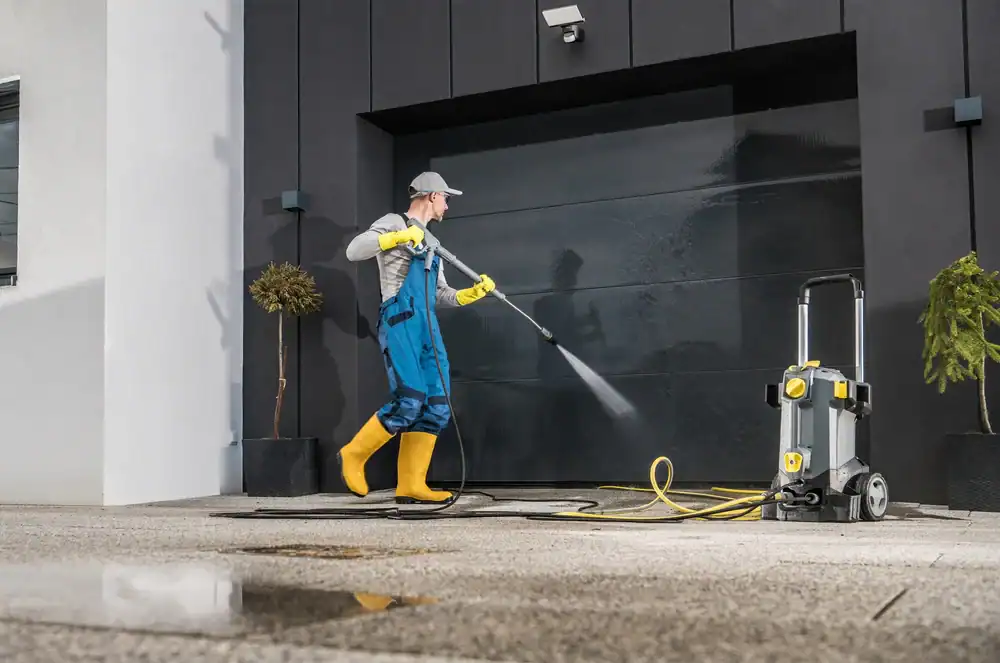
Power washing uses high-pressure water to remove dirt, grime, mold, mildew, algae, and salt buildup from exterior surfaces. The equipment forces water through specialized nozzles at pressures ranging from 1,300 to 4,000 PSI, depending on what’s being cleaned.
Here’s what matters: the method used determines whether surfaces get clean or get damaged. Power washing uses heated water, making it effective against grease, oil, and stubborn salt residue. Pressure washing uses regular temperature water for general cleaning. Soft washing uses low pressure with cleaning solutions for delicate surfaces like siding and roofs.
For residential power washing on Long Island, we match the method to the surface. Your vinyl siding needs soft washing to avoid forcing water underneath. Your concrete driveway can handle higher pressure to remove embedded stains. Getting this wrong either leaves surfaces dirty or causes damage you’ll pay to fix.
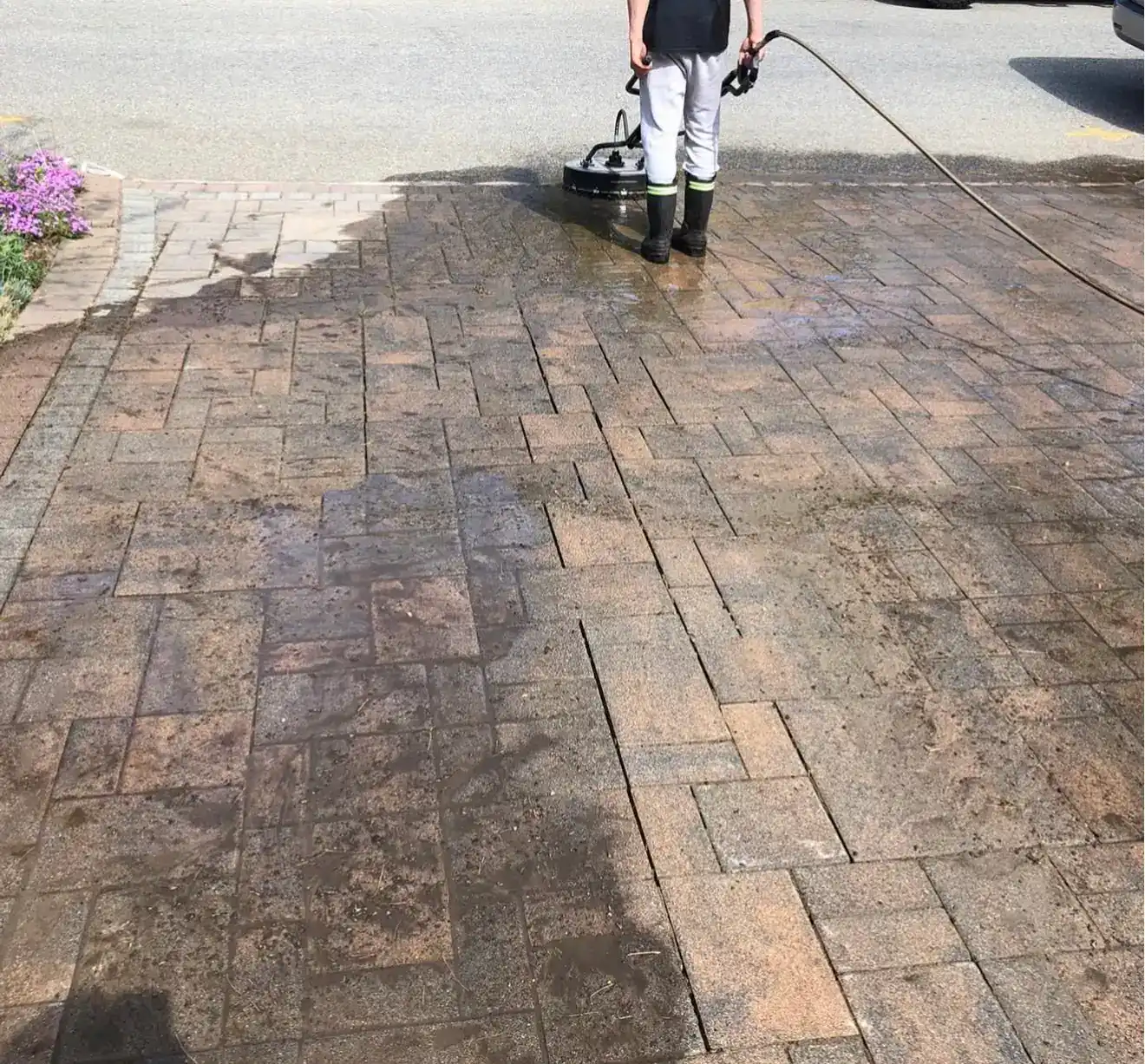
Living in Suffolk County, NY or Nassau County, NY means your home faces environmental assault that inland properties don’t deal with. It’s not just about location—it’s about what that location does to your investment.
Salt spray travels miles from the coast. Even if you’re not waterfront, ocean winds carry corrosive salt particles that settle on your siding, windows, and metal fixtures. That salt doesn’t just sit there. It attracts moisture, creating a corrosive environment that eats through paint, rusts metal, and breaks down sealants. The damage compounds over time.
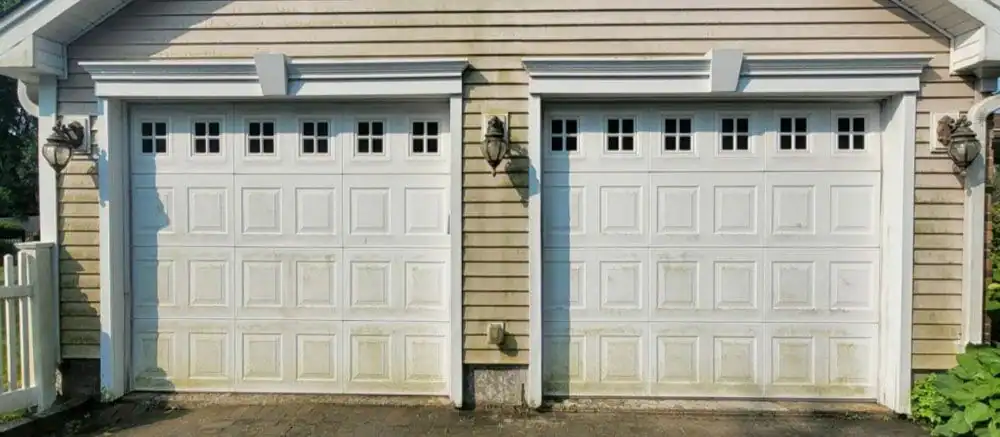
Long Island’s humidity creates perfect conditions for organic growth. Mold, mildew, and algae thrive in moist air and shaded areas. Those black streaks on your roof aren’t cosmetic—they’re algae holding moisture against shingles, accelerating deterioration. The green film on north-facing siding does the same thing, trapping dampness that leads to rot in wood and degradation in other materials.
Spring pollen adds another layer. That thick yellow coating on everything isn’t just annoying. When pollen mixes with moisture, it creates a film that stains surfaces and becomes harder to remove over time. Left untreated, it can actually etch into paint and siding materials.
Winter brings road salt that gets kicked onto driveways, walkways, and lower siding. It stays there after snow melts, continuing to corrode until actively removed. Freeze-thaw cycles make it worse—water seeps into small cracks, freezes, expands, and creates bigger problems. By spring, you’re looking at damage that could have been prevented.
This combination of factors means Long Island homes need exterior power washing more frequently than the national average. Once a year is minimum. Twice a year—spring and fall—makes sense for homes in high-exposure areas. Spring removes winter salt and pollen. Fall clears organic growth before winter locks it in place.
These terms get used interchangeably, but they’re different methods for different surfaces. Knowing the difference helps you understand what we should be doing and why DIY attempts often fail or cause damage.
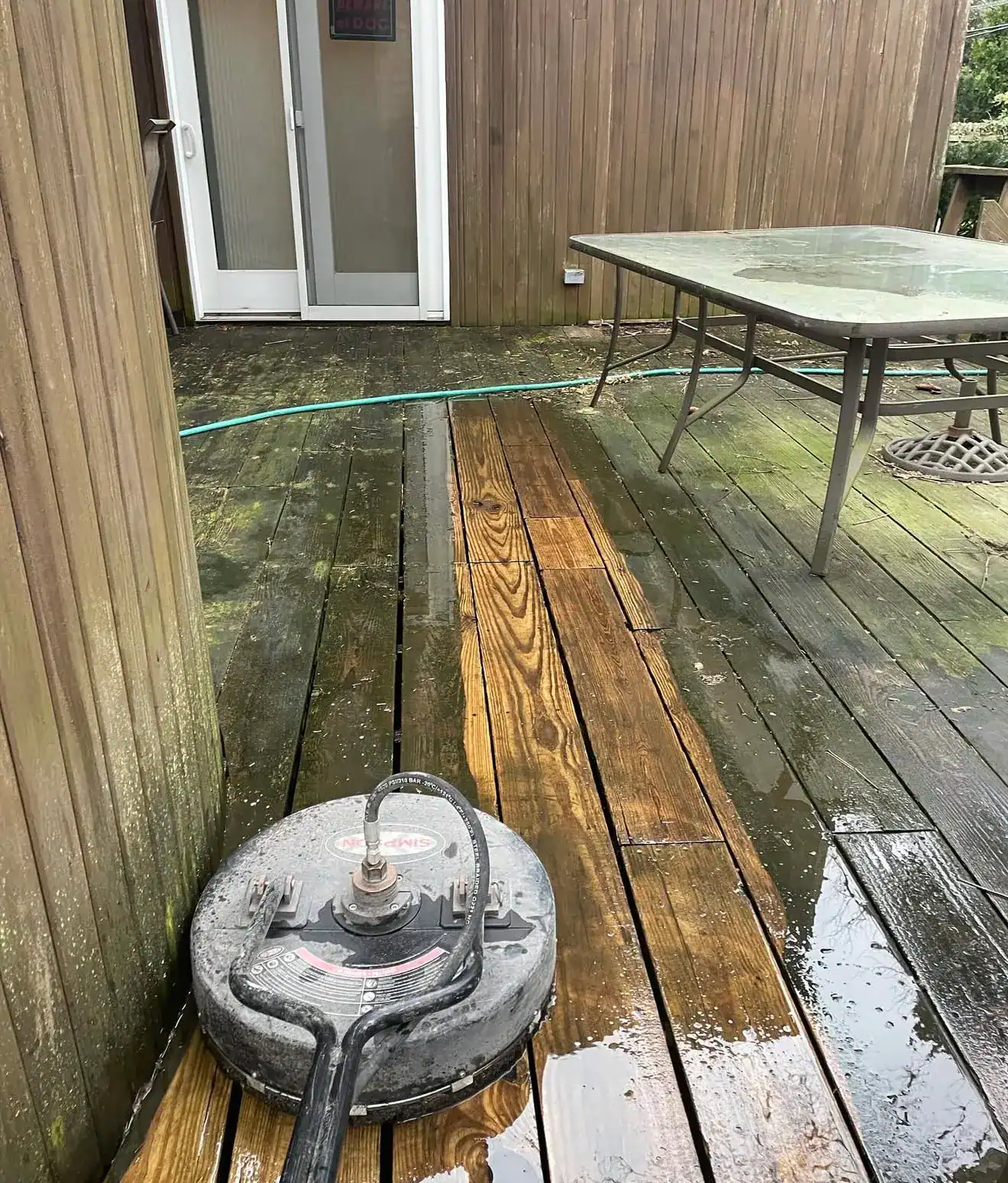
Power washing uses heated water at high pressure. Heat breaks down grease, oil, and salt more effectively than cold water. It’s ideal for concrete with oil stains, heavily soiled driveways, or surfaces with significant salt buildup. The combination works fast and handles tough contamination.
Pressure washing uses cold water at high pressure. It’s effective for most residential exterior cleaning—driveways, walkways, decks, patios, and hard surfaces where you need to remove dirt and organic growth. The pressure does the work when used with proper nozzle settings and techniques.
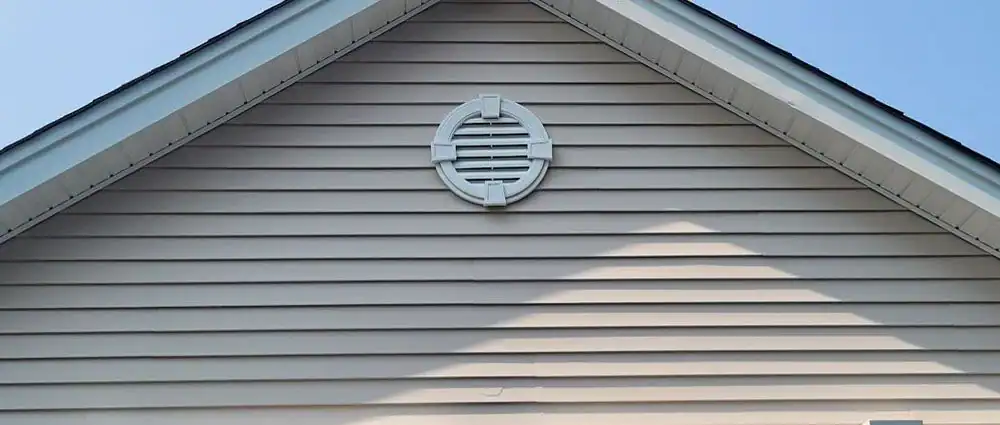
Soft washing uses low pressure with specialized cleaning solutions. This method is essential for vinyl siding, roofs, painted wood, and any surface that could be damaged by high pressure. The cleaning solution kills mold and algae at the root. The gentle rinse removes it without forcing water behind siding or stripping paint.
For Long Island pressure washing projects, we use all three methods depending on what’s being cleaned. Your siding gets soft washed. Your driveway gets pressure washed. Your patio might get power washed if there’s stubborn salt residue or heavy organic growth.
The stakes are higher in coastal areas. Salt requires different treatment than dirt. Mold needs solutions that kill growth, not just blast it off the surface where it returns in weeks. Too much pressure on the wrong surface forces water behind siding, strips paint, gouges wood, or damages shingles. Too little pressure on concrete leaves stains embedded.
Our crew has the equipment and experience to match method to surface. That’s why our results last longer and why your home stays protected. It’s not just about getting things wet—it’s about removing contaminants properly without causing new problems.
Want live answers?
Connect with a CPR Power Washing expert for fast, friendly support.
Professional exterior power washing delivers immediate visual results, but the real value goes deeper. Regular cleaning protects your investment in ways that prevent expensive problems and preserve what your home is worth.
Curb appeal is obvious. A clean exterior makes your home look maintained and cared for. That matters for resale, sure. But it also matters for how you feel about where you live and how your property compares to others in the neighborhood.
The financial impact is measurable. Studies show curb appeal improvements can add 5 to 11 percent to home value. Power washing specifically can boost sale prices by $10,000 to $15,000 in competitive markets like Nassau County, NY and Suffolk County, NY. That’s significant return on a service that costs a few hundred dollars.
Beyond appearance, regular cleaning prevents damage. Mold and mildew hold moisture against surfaces, accelerating rot in wood and deterioration in other materials. Salt buildup corrodes metal and breaks down paint and sealants. Removing these contaminants before they cause permanent damage extends the life of your siding, roof, deck, and other exterior elements. That’s money saved on replacements that should have lasted years longer.

Your home is likely your biggest financial asset. What happens on the outside directly impacts what it’s worth. Neglected exteriors signal deferred maintenance to buyers and appraisers, which means lower offers and longer market time.
Real estate agents know this. According to the National Association of Realtors, 79 percent consider curb appeal critical to attracting buyers, and 94 percent recommend improving it before listing. A clean exterior tells buyers the home has been maintained. That builds confidence and reduces aggressive negotiation.
The numbers are real. Research shows good curb appeal can raise property value by up to 7 percent. For a $500,000 home in Long Island, that’s $35,000. Even conservative estimates put the value increase from professional exterior cleaning at $5,000 to $15,000. That’s substantial return on investment for a service that typically runs a few hundred dollars.
Property value isn’t just about selling. Regular maintenance prevents damage that leads to expensive repairs. Wood siding that stays damp from mold growth eventually rots and needs replacement—a project costing thousands. Paint compromised by salt and organic buildup fails prematurely, requiring a full repaint years earlier than necessary. Concrete that’s stained and pitted needs resurfacing or replacement.
Power washing Long Island homes addresses these issues before they become costly problems. Removing salt spray prevents corrosion of metal railings, light fixtures, and hardware. Eliminating mold and mildew stops moisture retention that causes wood rot. Cleaning algae off roofs extends shingle life and prevents premature replacement. Each preventive action saves money compared to reactive repairs.
There’s also the neighborhood factor. In many Long Island communities, homes are close and visible to each other. A well-maintained exterior helps your property stand out positively. A neglected one drags down perceived value. Regular cleaning maintains your home’s position in the local market and prevents it from becoming the property that lowers comps.
Insurance and inspection issues matter too. Some insurance companies require proof of maintenance for coverage renewals, especially for older homes. Visible mold, deteriorating siding, or damaged roofs can trigger inspection failures or coverage denials. Keeping surfaces clean and well-maintained avoids these complications and the costs they create.
Timing makes the difference between effective cleaning and wasted money. For Long Island power washing in Searingtown NY, there are two ideal windows plus specific situations that demand immediate attention.
Late spring is prime time. After winter, your home is covered in road salt, grime, and months of accumulated dirt. Spring also brings heavy pollen. Scheduling cleaning in late spring, after peak pollen season, removes both winter buildup and that yellow coating on everything. This prepares your home for summer when you’re outside more and hosting guests. It’s also essential timing if you’re planning painting or renovation work—clean surfaces are required for proper adhesion and lasting results.
Early fall is the other critical window. Cleaning in September or October removes summer’s dirt and organic growth. More importantly, it prepares your home for winter. Clearing gutters prevents ice dams. Removing leaves and organic matter from decks and patios stops them from creating slippery, staining messes when wet. Cleaning salt residue off driveways before freeze-thaw cycles begin prevents accelerated deterioration.
For most homes in Suffolk County, NY and Nassau County, NY, annual cleaning is minimum. But if your property is surrounded by trees, near a busy road, or close to the coast where salt spray is constant, twice-a-year service makes sense. The environmental factors causing buildup don’t stop, so maintenance shouldn’t either.
Certain situations call for immediate cleaning regardless of season. Black streaks on your roof or siding mean mold or algae—address it quickly before it spreads and causes damage. Preparing to list your home for sale requires professional cleaning before photos and showings. After major storms, especially those bringing salt spray inland, cleaning removes corrosive residue before it does lasting harm. And if you’re planning exterior painting or repairs, surfaces must be thoroughly cleaned first for work to succeed.
Avoid power washing in freezing temperatures. Water can freeze on surfaces, creating dangerous ice. It can freeze in equipment, causing damage. Don’t clean right before forecast freezes—trapped moisture in cracks expands when temperatures drop, causing deterioration.
The smart approach is establishing a regular schedule based on your home’s specific conditions. Some homeowners find spring cleaning sufficient. Others in high-exposure areas benefit from both spring and fall services. Consistency is key—regular cleaning prevents severe buildup and protects surfaces from long-term damage. We can assess your property and recommend the right frequency for your situation.
Long Island homes face environmental challenges that accelerate exterior wear. Salt spray, humidity, pollen, and harsh weather aren’t going away. The question isn’t whether your home needs regular cleaning—it’s whether you’ll address it before small problems become expensive repairs.
Professional power washing in Syosset removes contaminants that cause real damage. It protects property value, extends the life of exterior materials, and keeps your home looking maintained. When done correctly with proper equipment and techniques, it’s one of the most cost-effective maintenance investments you can make.
If your home shows signs of buildup, or if it’s been more than a year since professional cleaning, take action. We serve homeowners throughout Suffolk County, NY and Nassau County, NY with the experience, equipment, and accountability that separate adequate work from work done right.
Summary:
Share: