Professional pressure washing services and more across Long Island.
Contact Info
- Roslyn Heights, NY 11577
- Call: 516-353-8711
- Text: 516-353-8711
- 24/7 - 365 Days
Professional pressure washing services and more across Long Island.
Contact Info
Choosing between exterior soft wash and power washing isn't about which is "better"—it's about matching the right method to your surface to avoid damage and get results that last.
Your home’s exterior is overdue for cleaning. The siding looks dingy, the driveway has stains, and you’re wondering whether you need soft washing or power washing—or if there’s even a difference. There is. And picking the wrong one can cost you more than just money. It can damage surfaces that are expensive to replace. This isn’t about which method sounds better. It’s about understanding what each one does, when to use it, and how to avoid the mistakes that lead to cracked siding, stripped paint, or water damage you didn’t see coming. Here’s what you need to know before anyone touches your property with a hose.
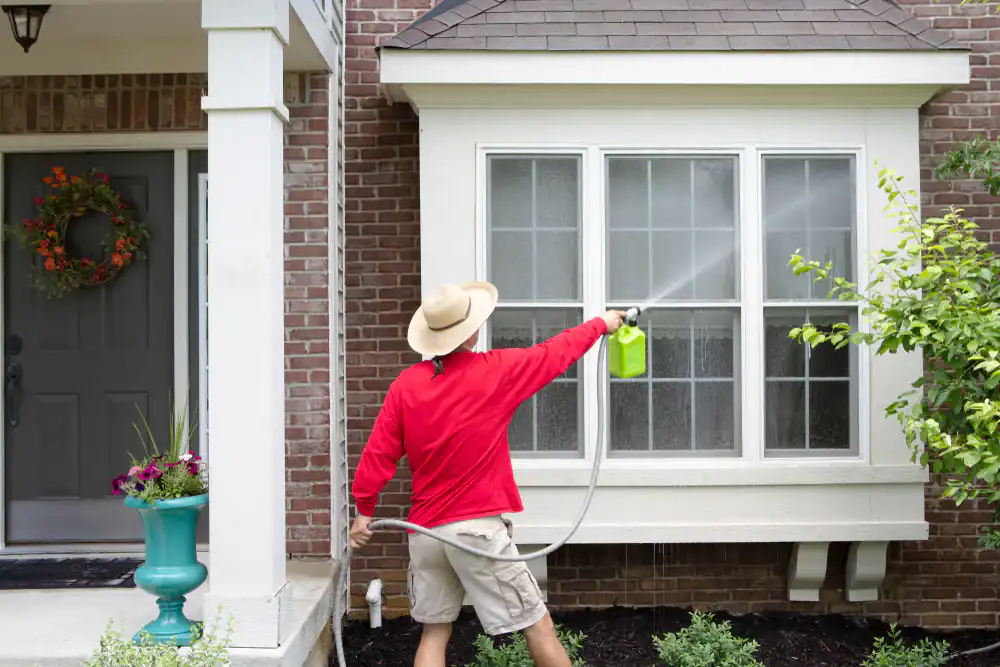
Exterior soft wash is a low-pressure cleaning method that relies on specialized cleaning solutions instead of brute force. The pressure stays between 150 and 500 PSI, which is gentle enough to avoid damaging delicate surfaces. The real cleaning power comes from biodegradable detergents, algaecides, and surfactants that break down dirt, mold, mildew, and organic growth at the source.
The process works by applying the solution to the surface, letting it dwell for a few minutes to penetrate and kill contaminants, then rinsing it away with low pressure. Because the chemicals do the heavy lifting, you’re not relying on water pressure to blast away buildup. That means surfaces like vinyl siding, painted wood, and asphalt shingles stay intact while still getting thoroughly clean.
What makes soft washing different from just spraying cleaner on your house is the equipment and technique. Professional soft wash systems use specialized pumps, nozzles, and chemical injectors designed to deliver consistent, even coverage without the risk of streaking or damage.
Soft washing isn’t just a gentler option. For certain surfaces, it’s the only safe option. If your home has vinyl siding, you’re looking at a material that can crack, warp, or allow water intrusion if hit with high pressure. Same goes for stucco, which is porous and fragile. One wrong pass with a pressure washer and you’re dealing with chips, cracks, or water forced into places it shouldn’t be.
Roofs are another area where soft washing is essential. Asphalt shingles, slate, wood shakes, and metal roofing can all be damaged by high-pressure water. Pressure washing a roof has been compared to subjecting it to category 3 hurricane winds. That’s not an exaggeration. The force can lift shingles, strip protective granules, and shorten the lifespan of your roof by years. Soft washing, on the other hand, kills the algae and mold that cause those black streaks without compromising the integrity of the material.
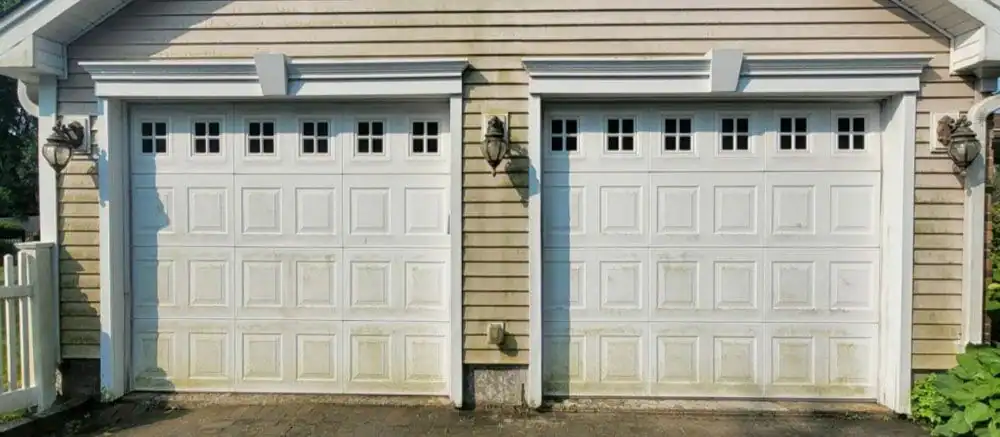
Painted surfaces also fall into this category. Whether it’s trim, shutters, or a freshly painted deck, high pressure can strip paint right off. Soft washing cleans without peeling, which means you’re not creating more work for yourself down the line. And because the cleaning solutions used in soft washing kill organic growth at the root, the results tend to last longer. You’re not just rinsing dirt off the surface. You’re eliminating the spores and bacteria that cause it to come back quickly.
In Nassau County, where coastal humidity creates the perfect environment for mold and algae, soft washing addresses the problem more effectively than pressure alone ever could. The chemicals we use are designed to target organic contaminants, which is exactly what thrives in this climate. That’s why soft washing isn’t just safer—it’s often more effective for the kinds of buildup homeowners here deal with regularly.
Not every surface on your property can handle high pressure. Some materials are designed to look good and protect your home, but they’re not built to withstand the force of a pressure washer. Knowing which surfaces fall into this category can save you from expensive repairs and replacement costs.
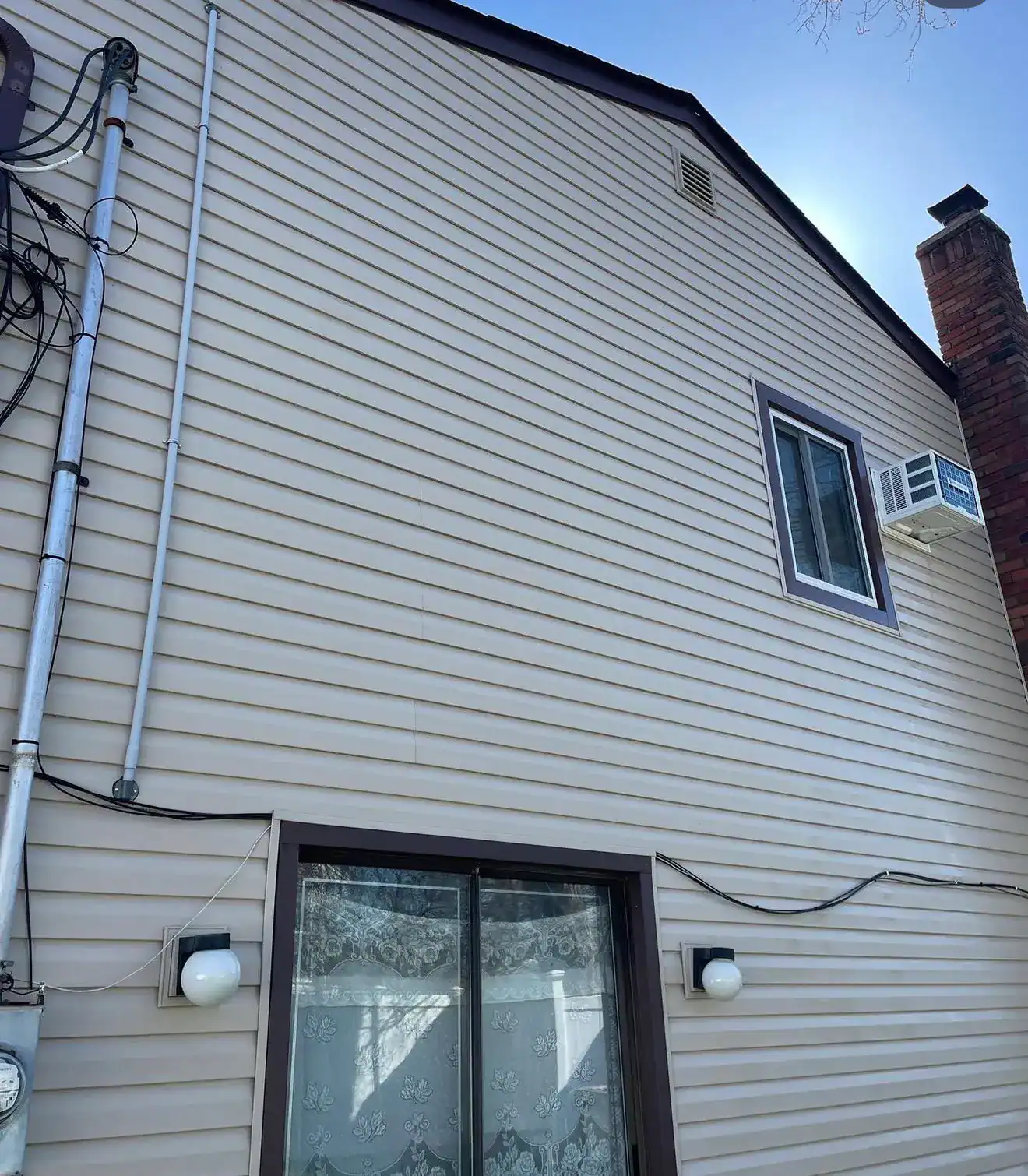
Vinyl siding is one of the most common exterior materials in Nassau County, and it’s also one of the most vulnerable to pressure washing damage. High pressure can crack the siding, force water behind it, or even blow panels completely off the house. Once water gets behind vinyl siding, you’re dealing with potential mold growth and structural issues that aren’t visible until the damage is done. Soft washing keeps the siding intact while removing the green and black stains that build up over time.
Wood surfaces, whether it’s cedar shakes, wood siding, or decks, require a gentle touch. Pressure washing can splinter the wood, strip natural oils, and leave it looking worse than before you started. Soft washing cleans wood without damaging the fibers, which means the surface stays smooth and ready for staining or sealing if needed. This is especially important for older homes where the wood may already be weathered.
Stucco is another material that demands soft washing. It’s porous, which means high pressure can drive water deep into the material, leading to cracks, discoloration, and water damage inside the walls. Soft washing cleans stucco thoroughly without forcing water where it doesn’t belong. The same principle applies to brick with aging mortar. If the mortar is already weakened, pressure washing can blow it right out of the joints, creating gaps that compromise the structural integrity of the wall.
Painted surfaces are particularly vulnerable. Whether it’s exterior trim, shutters, or decorative elements, paint is designed to protect and enhance, not to withstand thousands of PSI. Soft washing removes dirt and mildew without peeling the paint, which saves you from having to repaint sooner than necessary. And if you’ve invested in a quality paint job, protecting it with the right cleaning method just makes sense.
Want live answers?
Connect with a CPR Power Washing expert for fast, friendly support.
Power washing and soft washing aren’t interchangeable terms. They’re two distinct methods with different pressure levels, different applications, and different risks. Power washing uses water pressure between 1,300 and 4,000 PSI or higher, depending on the equipment. That level of force is designed to blast away tough buildup on hard, durable surfaces. It’s fast, it’s aggressive, and it works well when used correctly.
The problem is that “correctly” is the key word. Too much pressure on the wrong surface and you’re looking at damage that’s expensive to fix. Cracked concrete, stripped paint, gouged wood, blown-out mortar—these aren’t hypothetical risks. They’re the most common results of using power washing where soft washing should have been used instead. Understanding the difference isn’t just about protecting your property. It’s about getting the right results without creating new problems.
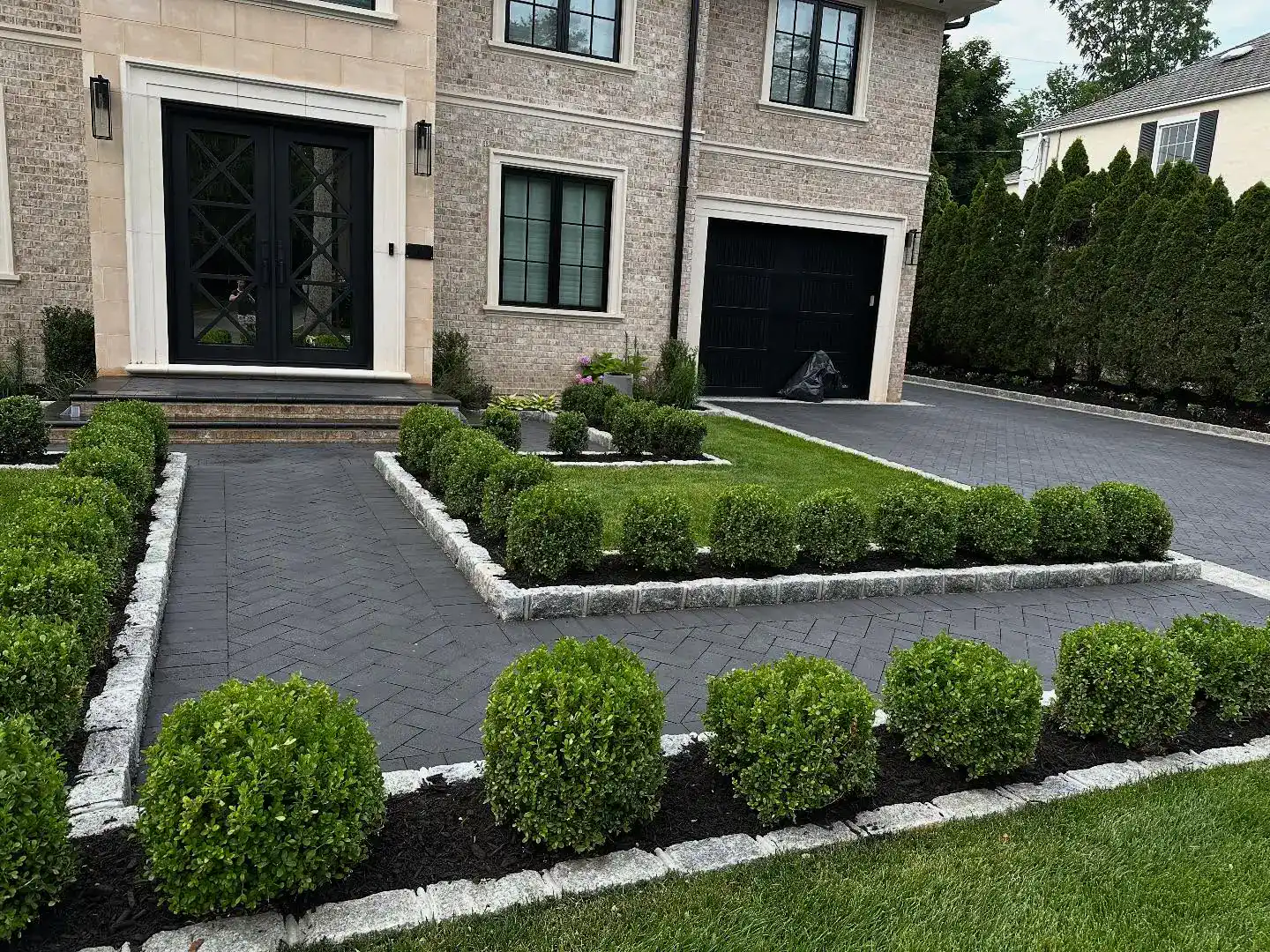
There are surfaces where power washing is not only safe but necessary. Concrete driveways, walkways, and patios can handle high pressure because they’re designed to withstand heavy loads and weather exposure. Over time, these surfaces accumulate oil stains, tire marks, dirt, and organic growth that won’t come off with low pressure alone. Power washing cuts through that buildup quickly and restores the surface to a clean, uniform appearance.
Brick and stone are other materials that can benefit from power washing, as long as the mortar is in good condition. These surfaces are durable enough to handle higher pressure, and the results are often dramatic. Pavers around pools, driveways, and patios also fall into this category. Power washing removes the dirt and grime that builds up in the joints and on the surface, making the area safer and more visually appealing.
Metal surfaces, like wrought iron fences or metal railings, can also be power washed without issue. The key is adjusting the pressure and nozzle to match the surface. We know how to dial in the right PSI for each material, which is why experience matters. What works on a concrete driveway will destroy vinyl siding. The equipment might look the same, but the technique and settings are completely different.
Even with durable surfaces, there’s a limit to how much pressure is appropriate. Concrete, for example, can be etched or pitted if the pressure is too high or the nozzle is held too close. That’s why even power washing requires knowledge and control. It’s not just about cranking up the machine and blasting everything in sight. It’s about understanding the material, the condition it’s in, and how much force it can handle without sustaining damage.
The decision between soft washing and power washing comes down to the surface material, the type of buildup you’re dealing with, and the condition of the surface. If you’re looking at organic growth like mold, algae, or mildew, soft washing is almost always the better choice. The cleaning solutions kill the contaminants at the source, which means they don’t come back as quickly. If you’re dealing with oil stains, tire marks, or heavy dirt on concrete, power washing is the way to go.
Surface condition also plays a role. If your siding is older, if paint is already peeling, or if mortar is crumbling, high pressure will make those problems worse. Soft washing can clean without adding stress to materials that are already compromised. On the other hand, if you have newer concrete that’s structurally sound, power washing will give you the deep clean you’re looking for without any risk.
One of the biggest mistakes homeowners make is assuming that more pressure equals better cleaning. That’s not how it works. Pressure is just one tool. Chemicals, dwell time, and technique all contribute to the final result. We assess your property, identify the materials, and recommend the right method for each surface. That’s the difference between a job done right and one that creates more problems than it solves.
In many cases, a complete exterior cleaning involves both methods. Soft washing the siding and roof, power washing the driveway and walkways. It’s not about picking one or the other. It’s about using the right tool for each job. That’s where experience and professional equipment make the difference. Our crew understands the nuances of each method and will protect your property while delivering results that actually last.
Nassau County homeowners deal with specific challenges that make this decision even more important. Coastal humidity, salt exposure, pollen, and road residue all contribute to faster buildup. Choosing the wrong cleaning method doesn’t just risk damage. It also means you’ll be cleaning more often because the results won’t last. Soft washing addresses the root cause of organic growth, which is why it’s increasingly preferred for residential exteriors in this area.
The difference between exterior soft wash and power washing isn’t about which one is better. It’s about which one is right for the surface you’re cleaning. Soft washing protects delicate materials like siding, roofs, and painted surfaces while killing organic growth at the source. Power washing tackles heavy buildup on durable surfaces like concrete and brick. Using the wrong method can lead to cracked siding, stripped paint, or water damage that costs far more than the cleaning itself.
Your home is one of your largest investments. Protecting it means understanding the tools and techniques that keep it looking good without causing harm. If you’re ready to get your exterior cleaned the right way, with the right method for each surface, we have the experience and equipment to make it happen. Every project is quality-checked, every surface is treated with care, and you’re working with a team that understands what Nassau County properties need.
Summary:
Share: