Professional pressure washing services and more across Long Island.
Contact Info
- Roslyn Heights, NY 11577
- Call: 516-353-8711
- Text: 516-353-8711
- 24/7 - 365 Days
Professional pressure washing services and more across Long Island.
Contact Info
Soft washing uses low pressure and specialized solutions to safely clean delicate siding, removing algae and contaminants without the damage traditional pressure washing can cause.
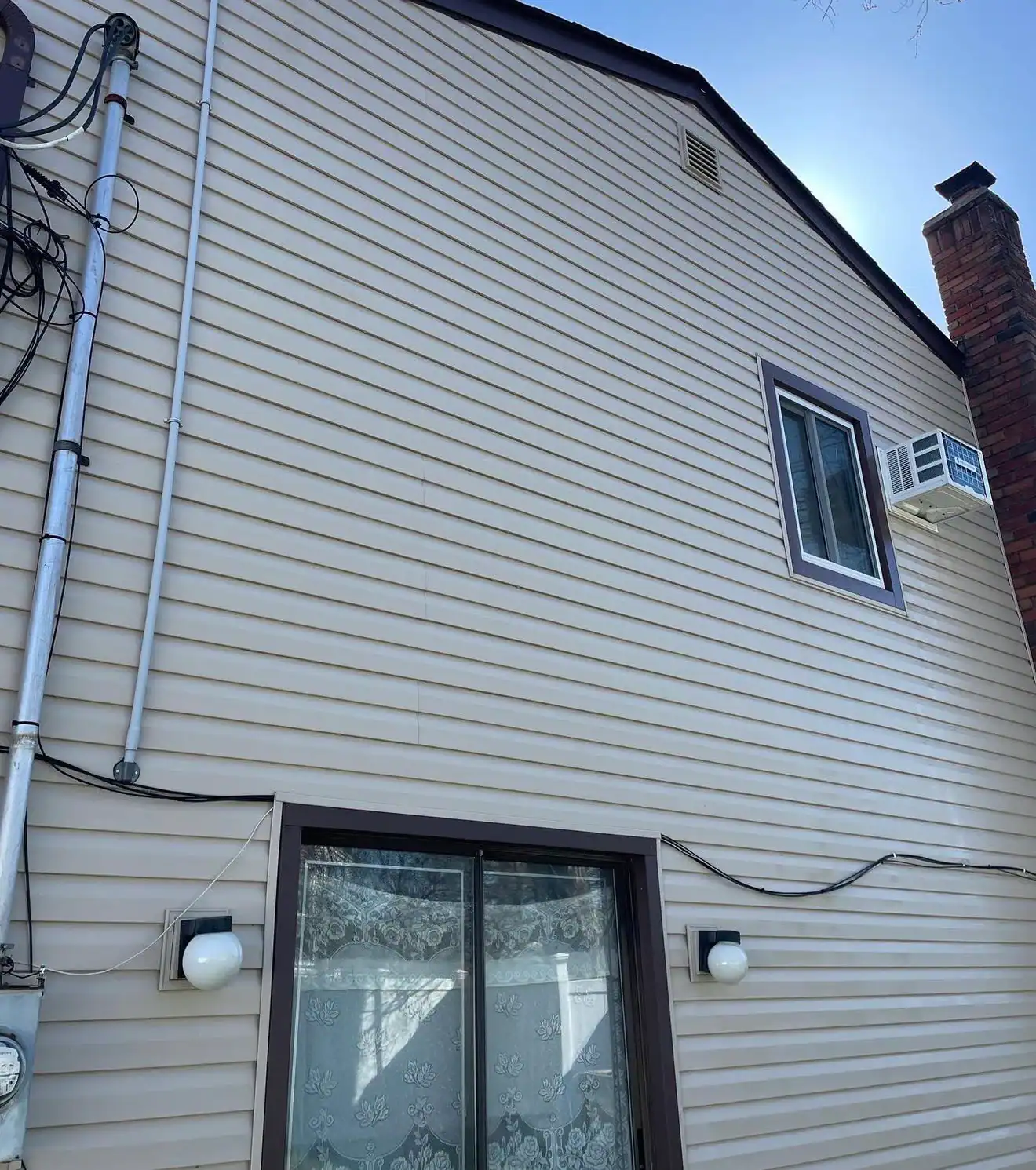
Soft washing uses low-pressure water combined with specialized cleaning solutions to remove dirt, mold, mildew, and algae from your home’s exterior. Think of it as treating the problem, not just blasting it away. The cleaning solutions do the heavy lifting by breaking down contaminants at a molecular level, while the gentle rinse washes them away without damaging your siding.
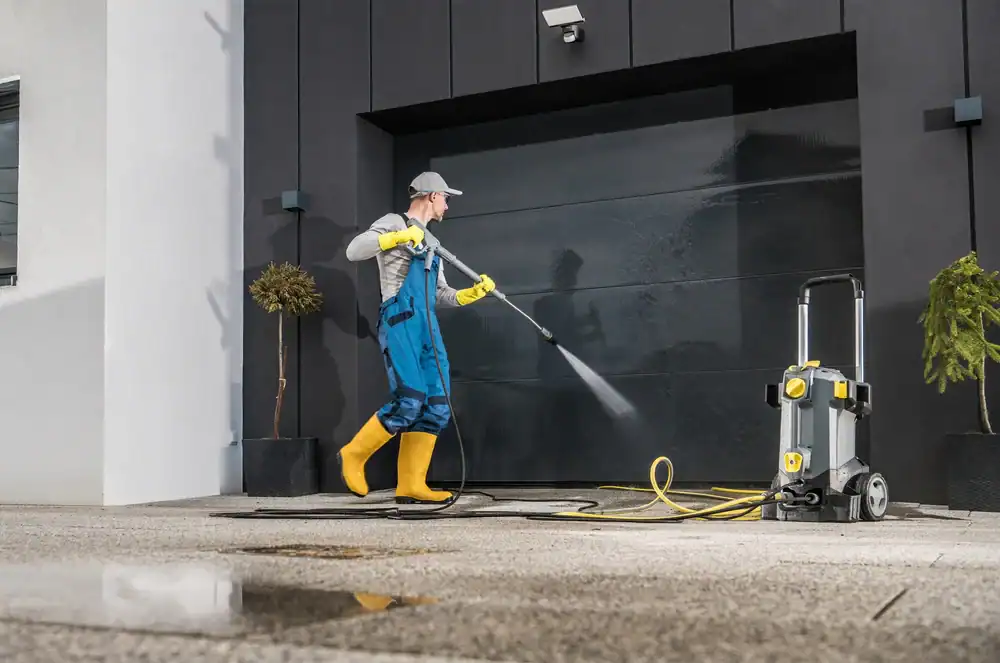
Traditional pressure washing relies on brute force—high-pressure water that can crack vinyl panels, splinter wood, force moisture behind your siding, and strip years off your paint job. Soft washing takes the opposite approach. It’s designed specifically for delicate surfaces like vinyl, stucco, and wood siding that can’t handle aggressive treatment.
For Long Island homeowners, this matters even more. The combination of humidity, coastal salt, and shaded areas creates the perfect environment for algae and mildew. These aren’t just cosmetic issues. They hold moisture against your siding, accelerating deterioration and shortening the lifespan of your materials. Soft washing eliminates these threats without creating new ones.
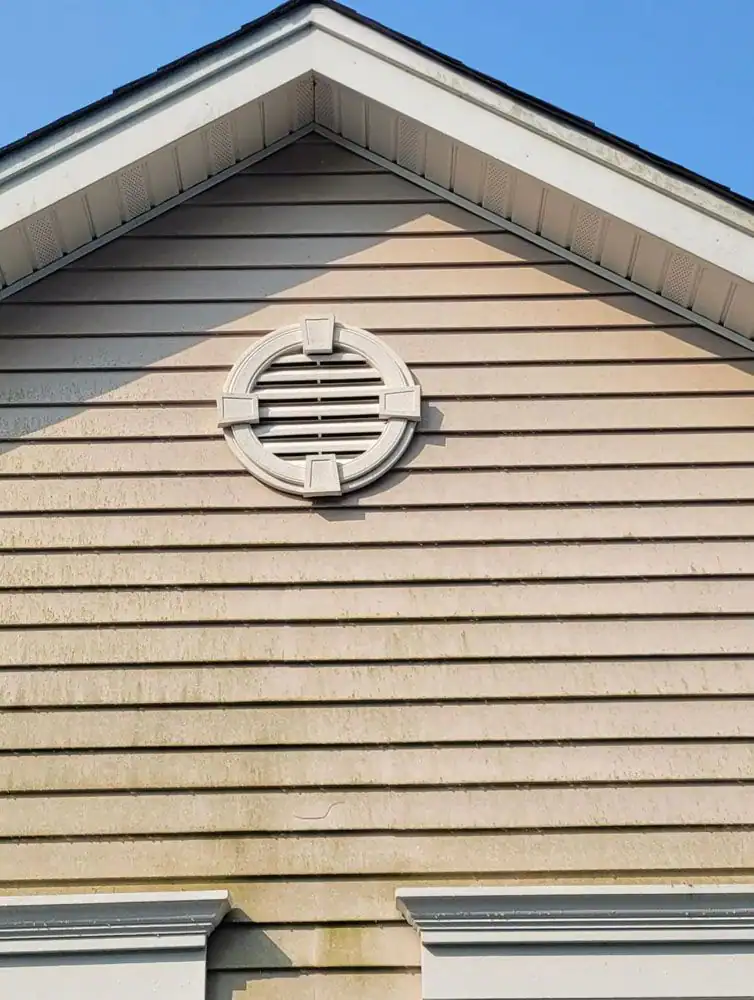
Vinyl siding is durable, but it’s not indestructible. High-pressure washing can crack panels, loosen seams, and force water into spaces it should never reach. Once water gets behind your siding, you’re looking at mold growth, insulation damage, and structural problems that cost far more than the original cleaning.
Soft washing eliminates this risk entirely. The low-pressure application means water stays on the surface where it belongs. The cleaning solution breaks down algae, mold, and grime without requiring aggressive force. You get a thorough clean that actually lasts longer because the solution kills growth at the root, not just the visible surface.
Long Island’s climate makes this even more important. Homes near the coast deal with salt spray that accelerates corrosion and leaves residue on siding. Shaded areas on north-facing walls stay damp longer, creating prime conditions for algae. Soft washing addresses both issues effectively. The solution neutralizes salt deposits and eliminates organic growth, while the gentle pressure protects your siding’s finish and structural integrity.
Regular soft washing also extends the life of your paint. Algae and mildew don’t just sit on your siding—they feed on it. As they grow, they break down protective coatings and create an environment for further deterioration. Removing these contaminants properly means your paint lasts years longer, delaying the need for costly repainting. Studies show that proper exterior maintenance can extend material lifespan by 30% to 50%, which translates to real savings over time.
The process itself is straightforward but requires the right equipment and solutions. Professional-grade soft washing systems deliver precise chemical ratios and controlled water pressure. DIY attempts often use the wrong products or improper dilution, leading to streaking, incomplete cleaning, or even damage to landscaping. When the job is done right, your siding looks fresh, stays cleaner longer, and maintains its protective qualities for years.
Stucco and wood siding require even more care than vinyl. Both materials are porous, meaning they absorb moisture more readily and are far more susceptible to damage from high-pressure water. Pressure washing stucco can create cracks in the surface, allowing water to penetrate and cause interior damage. On wood, high pressure can splinter the surface, strip protective stains, and embed water deep into the grain where it leads to rot.
Soft washing treats these materials with the respect they demand. The cleaning solution penetrates porous surfaces gently, lifting dirt and killing organic growth without physical force. Wood siding benefits particularly from this approach because the solution can reach into crevices and grain patterns that pressure washing would either miss or damage. The result is a clean that protects the material rather than compromising it.
For stucco homes in Nassau County, NY and Suffolk County, NY, soft washing prevents the cracking and water intrusion that pressure washing often causes. Stucco’s textured surface traps dirt, pollen, and algae in its pits and grooves. Soft washing solutions flow into these areas naturally, breaking down contaminants without requiring the kind of force that would damage the finish. This is especially important for painted stucco, where maintaining the coating’s integrity directly impacts how long it lasts.
Wood siding faces unique challenges on Long Island. The combination of humidity and temperature fluctuations causes wood to expand and contract, creating stress on paint and stain. Add algae and mildew into the mix, and you’ve got organic growth that accelerates wood deterioration. Soft washing removes these threats while preserving the protective coatings that keep your wood in good condition. It’s not about making your siding look good for a week—it’s about maintaining its structural integrity for years.
The cleaning solutions used in professional soft washing are formulated specifically for different siding types. What works for vinyl won’t necessarily work for wood or stucco. We adjust our approach based on your home’s specific materials, ensuring effective cleaning without unintended consequences. This level of customization isn’t possible with standard pressure washing, which uses the same high-force approach regardless of surface type.
Timing matters too. Soft washing is effective year-round, but scheduling it strategically maximizes results. Spring cleaning removes winter buildup and pollen before summer humidity accelerates algae growth. Fall cleaning prepares your home for winter by removing organic matter that traps moisture against your siding during cold months. Regular maintenance prevents the deep-set stains and deterioration that become much harder to address once they’ve taken hold.
Want live answers?
Connect with a CPR Power Washing expert for fast, friendly support.
Long Island’s coastal location and humid climate create specific challenges for home exteriors. Salt spray from ocean winds doesn’t just leave visible residue—it accelerates corrosion on metal fixtures and degrades protective coatings on siding. Algae thrives in shaded areas that stay damp, particularly on north-facing walls that receive limited direct sunlight. These aren’t problems you can ignore without consequences.
Soft washing addresses these issues directly. The cleaning solutions neutralize salt deposits before they cause long-term damage. They kill algae and mildew at the source, preventing regrowth for months rather than just washing visible growth away. This approach tackles both the immediate cosmetic concern and the underlying threat to your home’s materials.
Algae growth is particularly problematic because it holds moisture against your siding. This constant dampness accelerates deterioration, breaks down paint, and creates an environment where mold can flourish. Soft washing eliminates this cycle by killing the organisms completely, not just removing what’s visible on the surface.
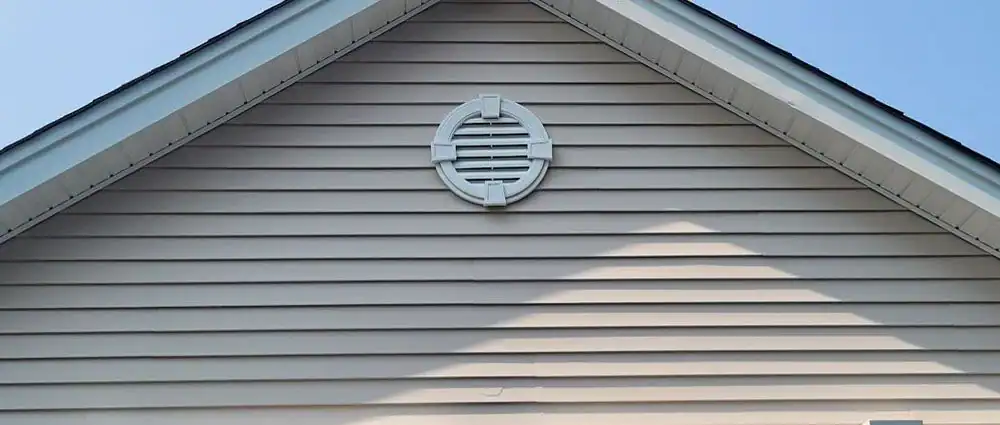
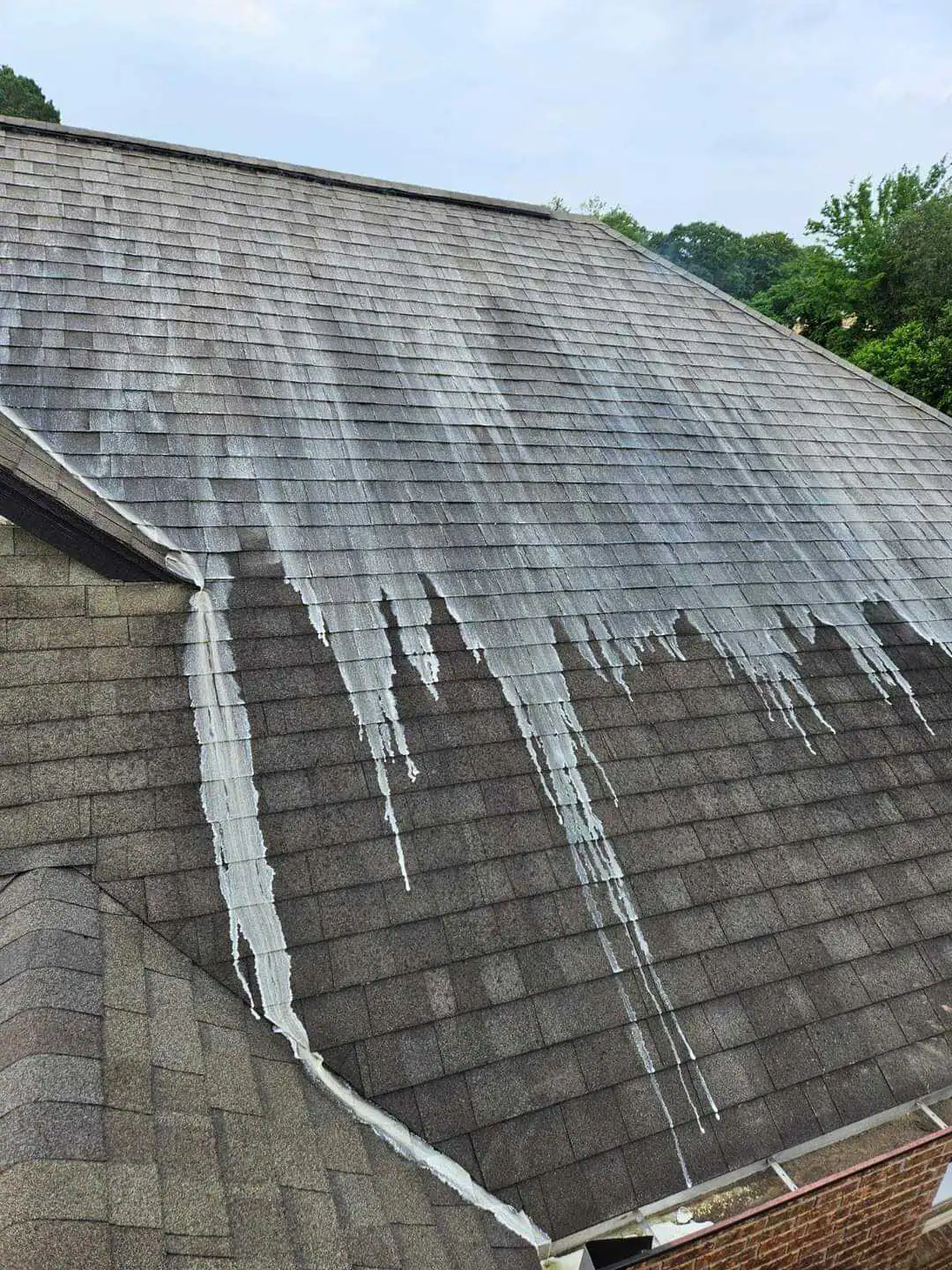
Algae isn’t just unsightly—it’s actively damaging your home. These organisms feed on the organic materials in your siding and roofing, breaking down protective layers and creating pathways for moisture penetration. On roofs, algae can cause shingles to degrade and lose their effectiveness. On siding, they create dark streaks that indicate ongoing deterioration beneath the surface.
The problem compounds over time. As algae colonies grow, they trap more moisture, accelerate material breakdown, and create ideal conditions for mold and mildew. Left unchecked, this progression leads to rot in wood siding, compromised structural integrity, and the need for expensive repairs or replacement. The longer you wait, the more damage occurs and the harder it becomes to fully restore your exterior.
Salt damage works differently but is equally destructive. Salt crystals from coastal air land on your siding, dissolve in moisture, and then recrystallize as they dry. This expansion and contraction process abrades paint and protective coatings, creating microscopic damage that accumulates over time. Eventually, the coating fails, exposing bare material to the elements and accelerating deterioration.
For homes near the water in Nassau County, NY and Suffolk County, NY, this is a constant battle. Regular soft washing removes salt deposits before they can cause lasting damage. The cleaning solutions break down salt residue and rinse it away completely, rather than just redistributing it across your siding. This preventive approach protects your investment far more effectively than waiting until damage is visible.
The health implications matter too. Mold and mildew growing on your exterior don’t stay outside. Spores become airborne and can affect indoor air quality, particularly for family members with allergies or respiratory sensitivities. Removing these contaminants from your home’s exterior reduces exposure and creates a healthier living environment. It’s not just about curb appeal—it’s about protecting the people living inside.
Understanding the scope of the problem helps explain why soft washing is worth the investment. A single cleaning removes years of accumulated damage-causing contaminants. Regular maintenance prevents them from ever gaining a foothold. The cost of periodic soft washing is a fraction of what you’d spend on premature siding replacement, paint jobs, or structural repairs caused by neglected exterior maintenance.
Effective house washing isn’t about how clean your siding looks the day after service—it’s about how long it stays clean and how well it’s protected. Best practices start with using the right method for your specific siding type. Vinyl, wood, stucco, and fiber cement all require different approaches. A one-size-fits-all mentality leads to either inadequate cleaning or unnecessary damage.
Professional soft washing uses commercial-grade cleaning solutions that aren’t available to consumers. These formulations are designed to kill organic growth at the cellular level, preventing regrowth for months. They’re also calibrated to be effective without damaging plants, landscaping, or the siding itself. DIY solutions from hardware stores simply don’t deliver the same results or longevity.
Technique matters as much as equipment. Proper soft washing starts from the bottom and works up during application, preventing streaking and ensuring even coverage. Rinsing happens from top to bottom, allowing gravity to help remove dissolved contaminants. The dwell time—how long the solution sits on the surface—is carefully controlled to maximize effectiveness without causing harm. These details make the difference between a cleaning that lasts and one that needs to be repeated in weeks.
Timing your house washing strategically extends its benefits. Most Long Island homes benefit from annual cleaning, with spring and fall being ideal seasons. Spring cleaning removes winter buildup and pollen before summer humidity accelerates growth. Fall cleaning prepares your home for winter by removing organic matter that would otherwise trap moisture during cold months. Homes in particularly challenging locations—heavy shade, near the water, surrounded by trees—may benefit from twice-yearly service.
The areas around your home need attention too. Gutters, downspouts, and trim collect the same contaminants as your siding. Cleaning these areas as part of your house washing service ensures water drains properly and doesn’t create new problems. Clogged gutters overflow onto clean siding, undoing your work. Clean gutters direct water away from your foundation, protecting your home’s structural integrity.
Post-cleaning maintenance extends results. Trimming back vegetation that touches your siding reduces moisture retention and limits organic debris. Adjusting sprinklers so they don’t spray your siding prevents unnecessary dampness. These simple steps between professional cleanings help your exterior stay cleaner longer and reduce the frequency of service needed. It’s about working with your environment rather than fighting a constant battle against it.
Choosing the right provider makes all the difference. Licensed and insured companies protect you from liability if something goes wrong. We understand how to handle different siding types, adjust our approach for specific conditions, and deliver results that last. Companies that stand behind their work and address any concerns demonstrate the kind of accountability that matters when you’re trusting someone with your largest investment.
Your home’s exterior is its first line of defense against Long Island’s climate challenges. Soft washing protects that defense by removing harmful contaminants without causing the damage that pressure washing creates. It extends the life of your siding and paint, prevents costly repairs, and keeps your home looking its best year after year.
The choice between soft washing and traditional pressure washing isn’t just about getting your house clean. It’s about protecting your investment, avoiding unnecessary damage, and choosing a method that delivers lasting results. For vinyl, stucco, and wood siding, soft washing is the clear choice.
If your home is showing signs of algae growth, salt buildup, or general grime, don’t wait until the damage goes deeper. We address these issues properly at CPR Power Washing, with the experience and equipment to deliver results that protect your home for the long term.
Summary:
Share: