Professional pressure washing services and more across Long Island.
Contact Info
- Roslyn Heights, NY 11577
- Call: 516-353-8711
- Text: 516-353-8711
- 24/7 - 365 Days
Professional pressure washing services and more across Long Island.
Contact Info
Uneven pavers aren't just an eyesore—they're a safety risk. Discover when repairs can save you thousands compared to full replacement.
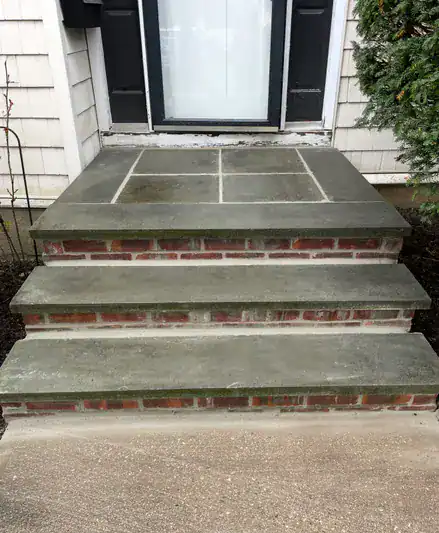
Pavers don’t just randomly decide to fail. Something underneath or around them has changed. Maybe the base wasn’t compacted right during installation. Maybe water’s been washing away the sand and gravel that’s supposed to support them. Or maybe Long Island’s freeze-thaw cycles finally caught up with a weak spot.
The most common culprit is base failure. When the crushed stone layer under your pavers wasn’t thick enough or properly compacted, the ground settles unevenly over time. Heavy furniture, vehicles, or even just years of foot traffic push pavers down into soft spots. Water makes it worse by eroding material from underneath, creating voids that cause sudden drops.

Standing water isn’t just annoying. It’s actively destroying your pavers from below. When water pools on your patio or driveway, it means the surface wasn’t graded properly—or the grade has changed over time.
Water that can’t drain away seeps down into the base layers. In warmer months, it washes away the sand between pavers and erodes the crushed stone base. Come winter, that trapped moisture freezes and expands, pushing pavers up and out of alignment. When it thaws, everything settles back down—but not evenly. This cycle repeats every year, and the damage compounds.
You’ll see the signs pretty quickly. Pavers that rock when you step on them. Gaps that weren’t there before. Weeds sprouting up between stones because the polymeric sand has washed away. If you’re in Suffolk County or Nassau County, you know the weather here doesn’t mess around. Harsh winters and heavy spring rains put serious stress on any hardscape that isn’t draining properly.
The fix isn’t complicated, but it does require lifting the affected pavers, addressing the base issues, and regrading the surface so water flows away from your house. Some situations call for adding drainage solutions like French drains or channel drains. Skip this step, and you’re just putting a Band-Aid on a problem that’ll come right back.
Long Island winters aren’t gentle. Between 25 and 40 inches of snow each year, plus the constant freezing and thawing, your pavers take a beating. Water is the enemy here. It seeps into tiny cracks or gets trapped under pavers. When temperatures drop, that water freezes and expands with up to 25,000 psi of pressure. That’s enough to crack even quality pavers or push them completely out of place.
By spring, you’re looking at shifted stones, new cracks, and sections that have heaved up or sunk down. The damage often shows up in the same spots year after year because those areas have underlying issues—poor compaction, inadequate drainage, or base material that’s breaking down.
Coastal properties deal with an extra layer of difficulty. Salt air from the ocean carries tiny corrosive particles that settle on your pavers. When combined with moisture, this creates an environment where pavers never fully dry out. That constant dampness makes freeze damage worse and speeds up deterioration. Salt from winter road treatments doesn’t help either. It can travel up to 150 feet from passing cars, landing on your driveway and patio.
Not every crack means your pavers are done for. Individual damaged stones can be replaced without tearing everything out. But if you’re seeing widespread cracking, multiple sunken areas, or large sections that have shifted, the problem is likely deeper than the pavers themselves. That’s when you need to look at the base and figure out whether targeted repairs will hold or if you’re throwing money at something that needs a more complete fix.
Want live answers?
Connect with a CPR Power Washing expert for fast, friendly support.
You don’t want to spend money on repairs that won’t last. You also don’t want to rip out and replace pavers that could’ve been saved. The decision comes down to what’s actually failing and how much of your hardscape is affected.
Repairs make sense when the damage is localized—a few sunken pavers here, some cracks there—and the base is structurally sound. If you can lift the pavers and find a proper crushed stone base underneath, you’re in good shape. Add sand, re-level, reset the stones, and you’re back in business. This typically costs a fraction of what replacement runs, somewhere around $2 to $4 per square foot versus $10 to $20 or more for new installation.
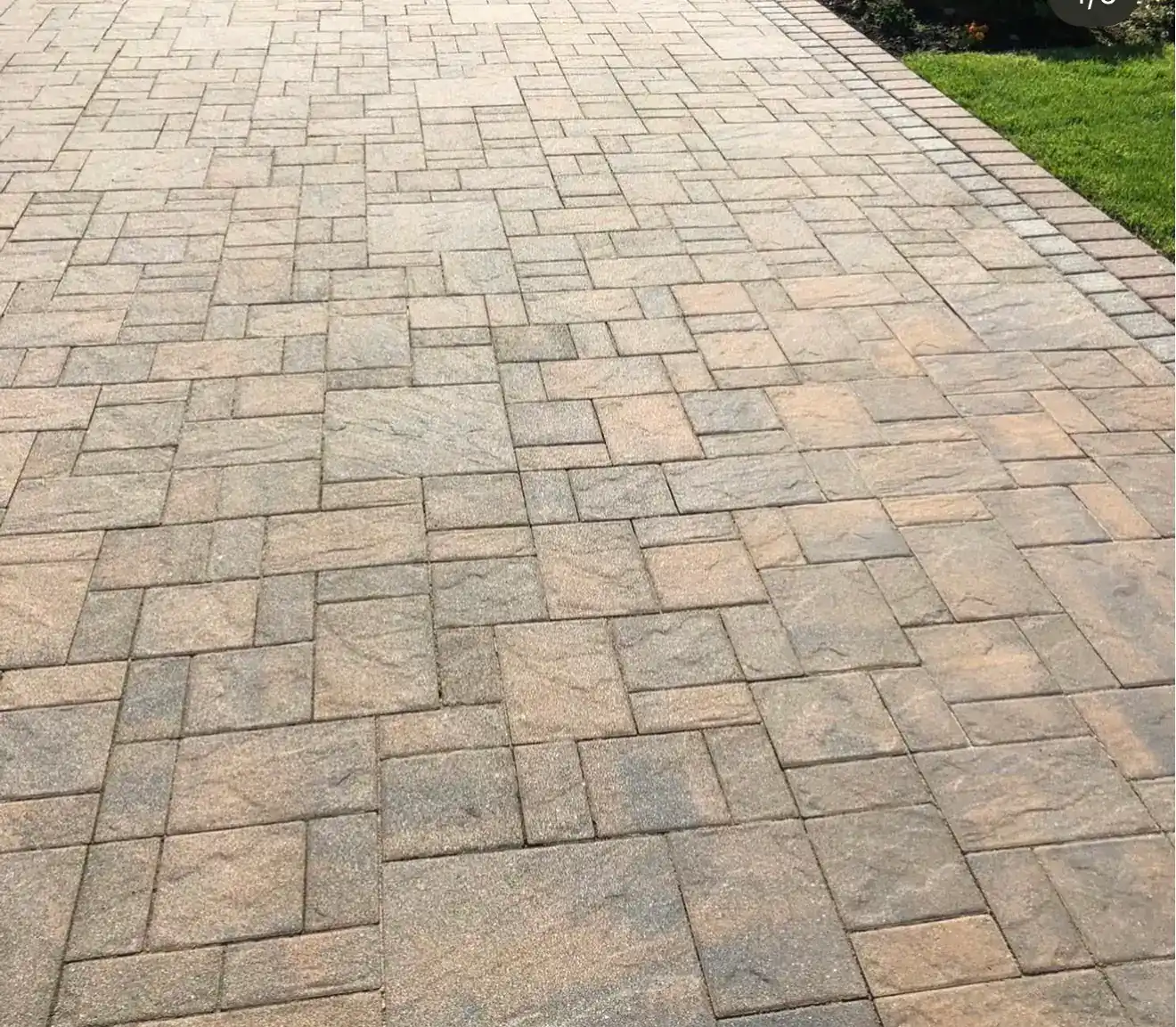
Start by looking at how much of your hardscape has issues. If it’s less than 30% of the total area, repairs usually make financial sense. Check whether the pavers themselves are in decent shape. Surface staining and fading can be cleaned and sealed. Minor chips aren’t a big deal. But if most of the stones are cracked, crumbling, or broken, replacement starts looking more practical.
The base tells you everything. When you lift a problem paver, you should see layers: bedding sand on top, then several inches of compacted crushed stone below that. If you’re finding just dirt, or if the base material is loose and shifting around, that’s a red flag. A weak or improperly installed base will cause problems no matter how many times you reset the pavers.
Drainage issues can often be fixed without full replacement. If water’s pooling because the surface has settled slightly, releveling and adjusting the grade solves it. More serious drainage problems might need additional work—installing drainage systems, regrading larger areas, or adding proper slope—but the pavers themselves can stay.
Edge restraints matter more than most people realize. If your pavers are spreading apart or the edges are collapsing, it’s usually because the edging has failed or was never installed correctly. Plastic spike-in edging doesn’t hold up in Long Island’s sandy soil. Proper concrete or metal edge restraints keep everything locked in place. Replacing failed edging and resetting shifted pavers is straightforward and way cheaper than starting over.
One more thing to check: tree roots. If roots have pushed pavers up, you’ll need to deal with the roots first. Cut them back, remove the affected section, and reset the pavers on a properly prepared base. This is repair work, not replacement, as long as the rest of your hardscape is solid.
Some situations don’t have a repair-only solution. If your base is completely shot—no proper stone layer, severe erosion, or widespread settling—you’re not fixing that by resetting pavers. The same problems will show up again within a year or two. At that point, excavating, installing a proper base, and resetting everything is the only move that makes sense long-term.
Widespread damage across more than half your hardscape tips the scale toward replacement. When most of your pavers are cracked, broken, or deteriorated, the cost of replacing individual stones adds up fast. You might hit 50% or more of what a full replacement would cost, and you’d still have a patchwork of old and new materials that don’t quite match.
Severe drainage problems that require major regrading also push you toward replacement. If your patio or driveway slopes toward your house instead of away from it, fixing that means tearing everything up anyway. You can’t just add more base material on top and hope it works. The whole thing needs to come up, the grade needs to be corrected, and then it gets reinstalled properly.
Design changes fall into the replacement category too. If you’re tired of the layout, want to expand the space, or plan to switch materials entirely, repairs aren’t going to get you there. This is actually an opportunity. If you’re already committed to a major project, you can address any underlying issues—poor drainage, inadequate base depth, failed edge restraints—and end up with something built right from the start.
Here’s a practical rule: if repair costs are going to exceed 50% of what full replacement would run, replacement usually makes more financial sense. You get new materials, a warranty on the work, and the peace of mind that comes with knowing everything underneath is solid. A professional assessment will tell you which side of that line you’re on.
Uneven pavers don’t get better on their own. The longer you wait, the worse the problem gets and the more expensive the fix becomes. But rushing into a full replacement when targeted repairs would work just wastes money.
The smart move is getting an honest assessment from someone who knows what they’re looking at. We can tell you whether your base is salvageable, if drainage is the real issue, and what kind of repair work will actually hold up in Long Island’s climate. From there, you can make a decision based on facts instead of guessing.
If your pavers are worth saving, the right repairs will bring everything back to level and safe without the cost and hassle of starting from scratch. And if replacement really is the better option, at least you’ll know why and what you’re getting for your investment. Either way, you’re not stuck with a hazardous, deteriorating hardscape that makes your property look neglected. We handle both repairs and full restoration work for homeowners throughout Suffolk County, NY and Nassau County, NY—because sometimes the best solution is fixing what you already have.
Summary:
Article details:
Share: