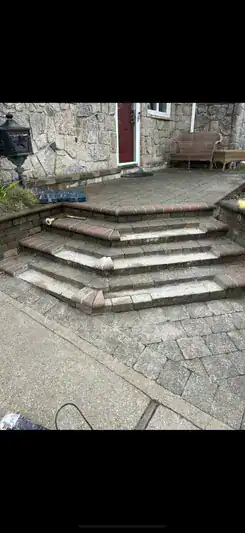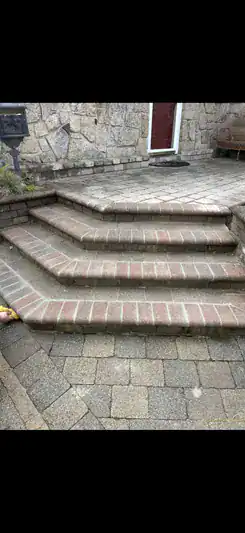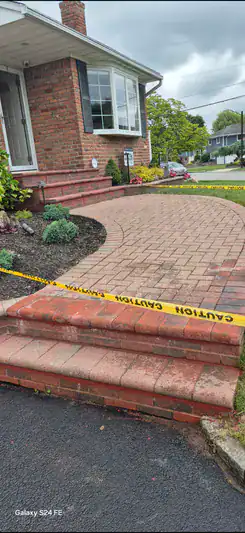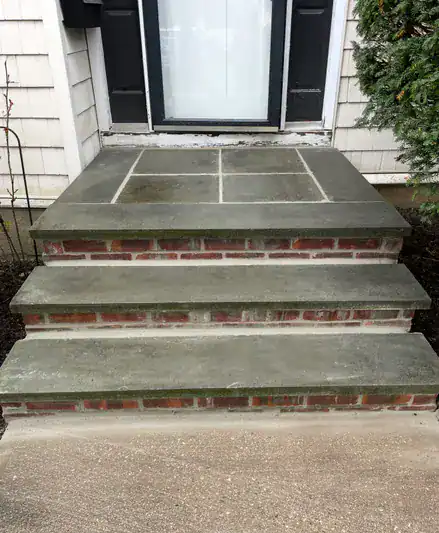
Paver Stone Repairs Suffolk & Nassau County, NY

Your Pavers Fixed Right the First Time

Cracked, sunken, or shifting pavers after another Long Island winter? CPR Power Washing repairs damaged paver patios, driveways, and walkways so they’re safe, level, and built to last.

Licensed and Fully Insured

You're protected with proper licensing and insurance coverage. If something goes wrong, you have real recourse—not excuses.

Experienced Professional Crews

Trained technicians who understand Long Island's freeze-thaw cycles and know how to fix winter damage that keeps coming back.

Owner-Backed Accountability

We personally ensure every job meets standards. If you're not satisfied, we make it right—no runaround, no disappearing act.

Commercial-Grade Equipment

Professional tools and techniques designed for lasting repairs. We use the right equipment for your specific paver material and damage type.

Paver Repairs Long Island, NY

When Pavers Shift, Crack, or Sink

Long Island winters are brutal on outdoor hardscapes. Water seeps into joints, freezes, expands, and by spring you’re looking at uneven surfaces, cracked pavers, and trip hazards all over your patio or driveway. Maybe you’ve noticed sections that have sunk after heavy rain. Or gaps between stones that weren’t there last year. That’s not just cosmetic. Those are structural issues that get worse every season you wait. We handle paver stone repairs for Suffolk & Nassau County, NY homeowners who want the problem fixed correctly—not just patched over until next winter rolls around. We repair sunken pavers, replace broken stones, re-level uneven surfaces, and address the base issues causing the damage in the first place. This is about making your outdoor space safe and functional again, not just making it look better for a few months.

Stone Repairs and Restoration NY

What Actually Changes After We Fix It

You’re not just getting a repair. You’re getting your outdoor space back—safe, stable, and ready to handle whatever Long Island weather throws at it next.

Masonry Repairs Nassau County NY

Why Pavers Fail in the First Place

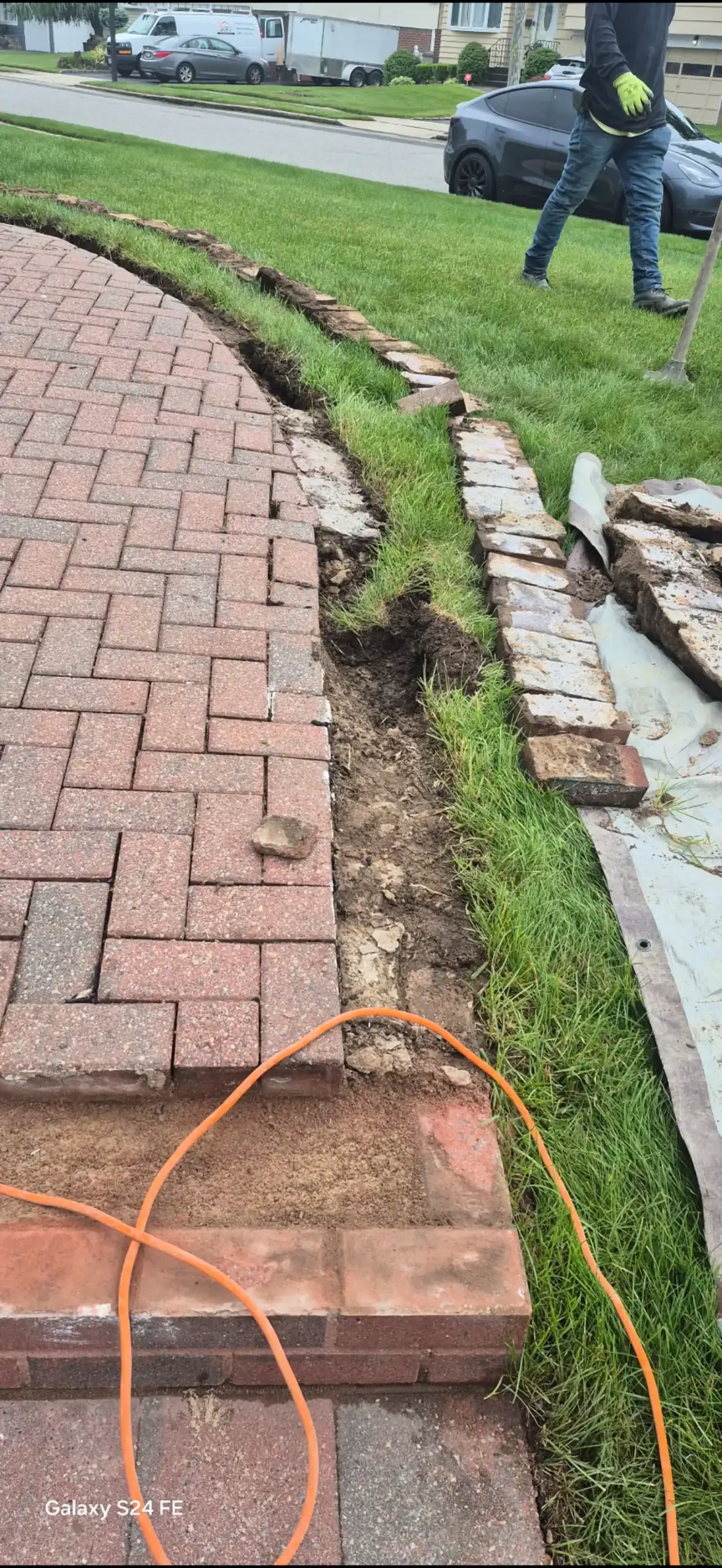
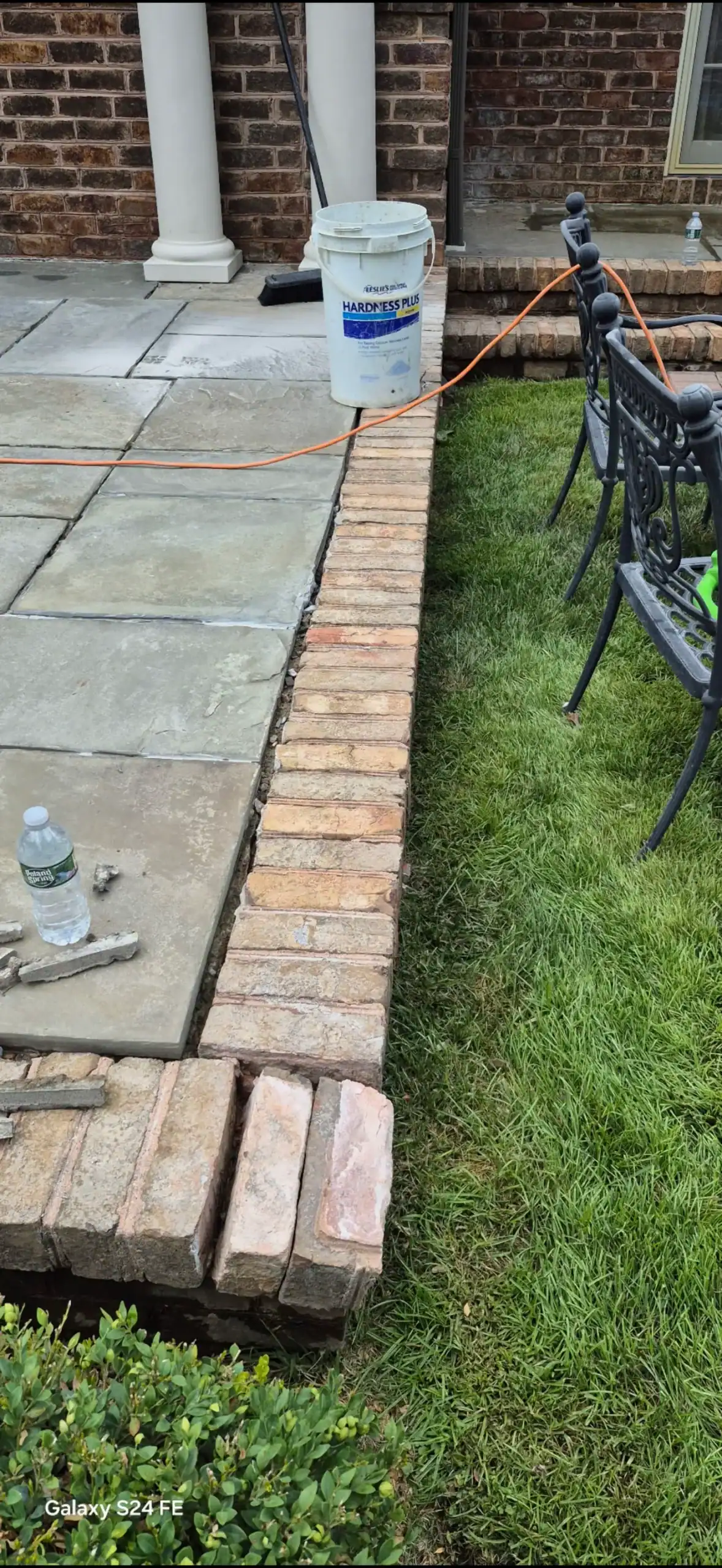
Most paver problems trace back to three things: poor base preparation, inadequate drainage, or Long Island’s relentless freeze-thaw cycles. When the ground beneath your pavers isn’t properly compacted, it settles unevenly. When water doesn’t drain away, it saturates the base, freezes, expands, and pushes everything out of alignment. And when temperatures swing from 15 degrees to 50 degrees in the same week, materials expand and contract until something gives. You’ll see it as sunken sections, cracked pavers, or stones that have shifted apart leaving gaps. Sometimes tree roots work their way under the surface and heave everything upward. Other times, the edge restraint fails and pavers start migrating outward, especially near driveways where vehicle weight adds pressure. The fix isn’t just dropping new pavers on top. CPR Power Washing excavates the affected area, address the base material, ensure proper compaction and drainage, then reset or replace pavers so they’re level and stable. If the original installation cut corners on base prep, we correct that. If drainage is sending water where it shouldn’t go, we redirect it. That’s how repairs actually last instead of failing again next spring.

Paver Cleaning and Sealing Long Island, NY

What's Included When We Handle Repairs

When we show up for paver stone repairs, we’re looking at the whole picture—not just the obvious damage. We assess what caused the problem, fix the underlying issue, then address the surface. That typically includes excavating sunken or shifted areas, re-grading and compacting the base material, resetting or replacing damaged pavers, and ensuring proper drainage so water moves away from the surface instead of pooling underneath. After structural repairs, we clean the entire paver surface with professional power washing equipment. We remove years of dirt, algae, and stains that make pavers look worn out. Then we replace joint sand with polymeric sand that hardens and locks pavers in place while preventing weed growth and water infiltration. If sealing makes sense for your specific situation, we discuss that option—it adds a protective layer against stains, moisture, and UV damage. You’re also getting the benefit of our power washing background. While we’re there fixing pavers, we can handle your driveway, patio, walkway, or any other exterior surface that needs attention. That’s the one-stop approach: identify all the issues during the first visit, give you an honest assessment, and take care of everything efficiently instead of dragging it out over multiple appointments with different contractors.
Paver Stone Repairs FAQs

Common Questions About Our Service

Paver repair costs in Suffolk County and Nassau County typically range from $7 to $30 per square foot depending on the extent of damage and what’s causing it. Most homeowners spend between $726 and $2,485 for average repairs. Sunken pavers usually cost less to fix than widespread cracking or base failure. If you’re dealing with a small section that’s settled after winter, you’re looking at the lower end. If tree roots have heaved a large area or the entire base needs rebuilding, costs go higher. We provide free estimates after assessing your specific situation, so you know exactly what you’re paying for before any work starts. The key factor is whether we’re just resetting pavers or addressing deeper structural issues that caused the damage.
If less than 25% of your paver surface shows damage, repairs almost always make more financial sense than full replacement. That’s the standard rule contractors use when evaluating whether to repair or replace. Repairs work well when the damage is localized—a few sunken sections, some cracked pavers, or areas where tree roots caused heaving. Replacement makes sense when more than half the surface is compromised, when the base was never installed correctly and is failing everywhere, or when you simply hate the look and want to redesign the entire space. For most Long Island homeowners dealing with typical winter damage or settling, targeted repairs fix the problem at a fraction of replacement cost. We’ll tell you honestly which approach makes sense after we see what you’re working with.
Pavers that sink or shift repeatedly after every Long Island winter usually point to one of three problems: inadequate base preparation, poor drainage, or missing edge restraint. If the base wasn’t compacted properly during installation, it settles unevenly under the weight of the pavers and anything on top of them. If water pools underneath because drainage wasn’t addressed, it saturates the base material, freezes, expands, and pushes pavers out of alignment. And if the edge restraint is missing or failing, there’s nothing stopping pavers from migrating outward, especially where vehicle weight adds pressure. Fixing recurring problems means addressing whichever of those issues is causing your specific situation. We excavate the problem areas, rebuild the base correctly, ensure water drains away instead of pooling underneath, and install proper edge restraint if it’s missing. That’s how you stop the cycle of repairing the same spots every spring.
Matching replacement pavers depends on the age, manufacturer, and style of your existing pavers. If your paver installation is relatively recent and used a common brand like Cambridge, Nicolock, or Techo-Bloc, there’s a good chance we can source matching pavers. If your pavers are older or the manufacturer discontinued that specific style or color, matching becomes harder. In those cases, we look for the closest match available or suggest using the mismatched pavers in less visible areas while moving your original pavers to prominent spots. Sometimes homeowners choose to replace an entire section with a complementary style that ties into the existing design without trying to match exactly. We’ll show you options and help you decide what makes the most sense for your situation and budget.
Properly executed paver repairs should last as long as the original installation—potentially 25 to 50 years for concrete pavers and even longer for clay brick or natural stone. The key word is “properly executed.” If we address the root cause of the damage, rebuild the base correctly, ensure proper drainage, and use quality materials, those repairs aren’t failing anytime soon. If someone just resets pavers without fixing what caused them to sink or shift in the first place, you’re looking at the same problem next year. That’s why we focus on doing it right the first time instead of offering quick patches. Long Island’s freeze-thaw cycles will always test your pavers, but when the base is solid, drainage is working, and edge restraint is in place, your pavers handle those temperature swings without failing.
Yes, paver cleaning and sealing are part of what we do, and they make sense to handle right after repairs are completed. Once we’ve fixed structural issues and reset or replaced damaged pavers, we power wash the entire surface to remove dirt, algae, stains, and buildup that’s accumulated over the years. Then we replace joint sand with polymeric sand that hardens when wet, locking pavers in place while blocking weeds and water infiltration. Sealing adds another layer of protection against stains, moisture, and UV fading, though it’s optional depending on your paver type and how much maintenance you want to do long-term. Since we’re already there handling repairs, it’s efficient to take care of cleaning and sealing at the same time rather than scheduling separate visits. That’s the benefit of working with a company that handles both power washing and masonry repairs—we cover everything in one shot.

Inspection and Assessment

We identify what's damaged, what caused it, and what needs to happen to fix it permanently—not temporarily.

Base Repair and Leveling

We excavate problem areas, address drainage or compaction issues, then rebuild the base so it's stable and properly graded.

Paver Reset and Finishing

Pavers get reset or replaced, joints filled with polymeric sand, and the surface cleaned so everything looks and functions like it should.