Professional pressure washing services and more across Long Island.
Contact Info
- Roslyn Heights, NY 11577
- Call: 516-353-8711
- Text: 516-353-8711
- 24/7 - 365 Days
Professional pressure washing services and more across Long Island.
Contact Info
Mold streaks, stubborn discoloration, and grime buildup aren't just cosmetic issues. They're warning signs your home's exterior needs professional attention before damage sets in.
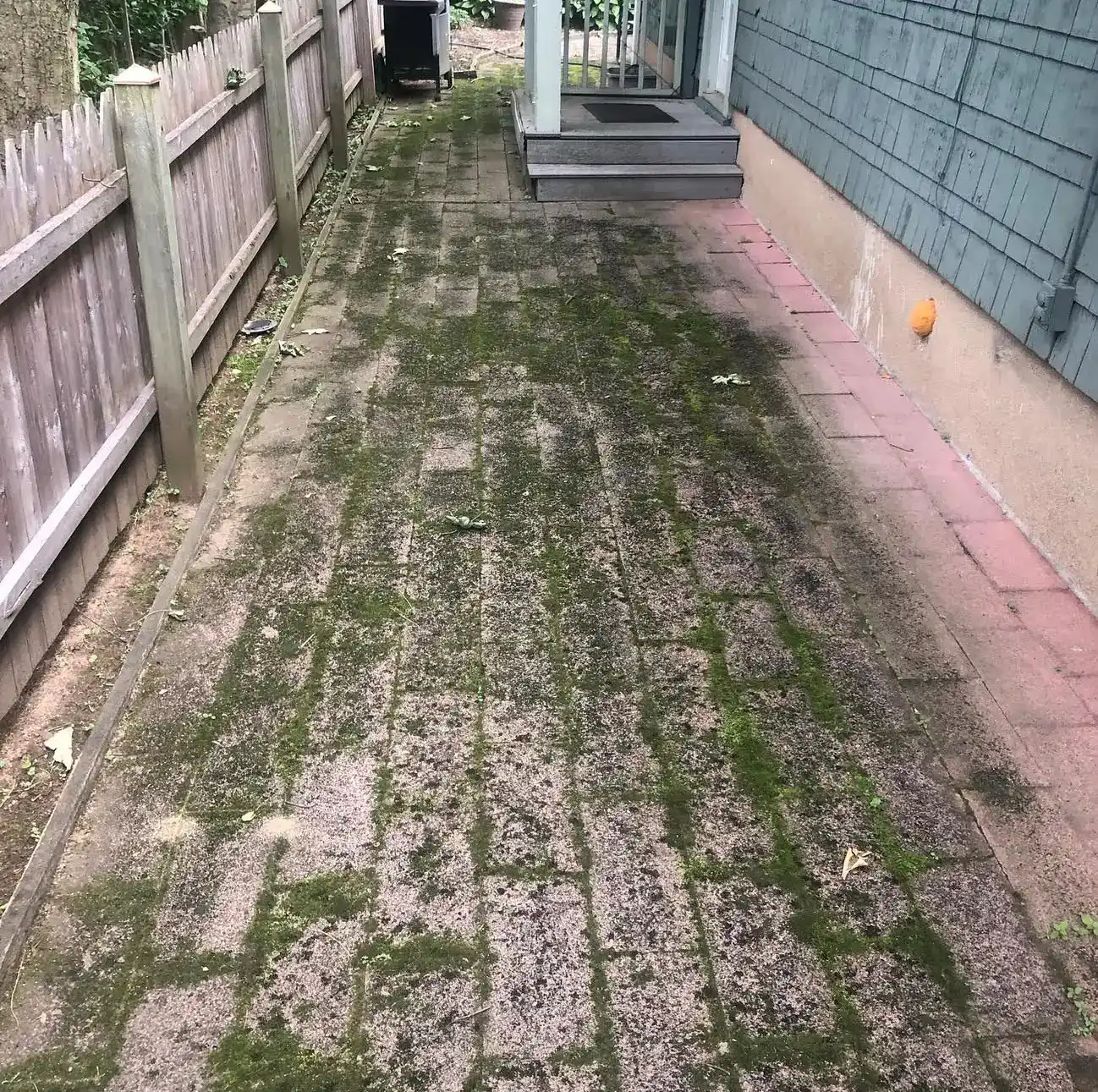
Walk around your house and look at the sides that don’t get much sun. If you see green, black, or brown patches, that’s not dirt—that’s living organisms growing on your exterior. Mold, mildew, and algae thrive in moisture-rich environments, and Nassau County’s coastal climate gives them everything they need.
The north side of your home typically shows the worst buildup because it stays shaded and damp. Without direct sunlight to dry surfaces, moisture lingers. That creates the ideal breeding ground for organic growth that doesn’t just sit on your siding—it feeds on it.
These aren’t cosmetic problems. Mold and mildew break down the materials they grow on, whether that’s vinyl, wood, or painted surfaces. Left alone, they penetrate deeper, cause permanent staining, and accelerate the aging of your exterior.

Nassau County sits right on the coast, which means your home deals with constant exposure to salt-laden air and high humidity levels. During summer months, temperatures hit the low 80s with humidity that makes everything feel damp. That moisture doesn’t just disappear—it settles on every surface.
Salt spray from the ocean carries inland, especially during storms and high winds. When that salt mixes with humidity, it creates a corrosive environment that breaks down protective coatings on your siding. Once those coatings weaken, moisture penetrates more easily, and mold spores that are always present in the air find a place to take hold.
Your home’s exterior is under attack from conditions most inland properties never face. The freeze-thaw cycles of winter cause materials to expand and contract, creating tiny cracks. Spring brings pollen and organic debris. Summer delivers relentless humidity. Fall adds leaf litter and moisture from coastal storms.
Each season compounds the problem. What starts as a small patch of discoloration spreads across entire sections of siding within months. Homeowners often don’t realize how fast organic growth accelerates once it establishes itself. By the time it’s clearly visible from the street, it’s been growing for weeks or months beneath the surface.
The longer mold and mildew sit on your siding, the harder they are to remove. Early-stage growth wipes away relatively easily with professional soft washing. Established colonies require more intensive treatment and may have already caused staining that won’t fully disappear even after cleaning. That’s why catching these signs early matters—not just for appearance, but for protecting the integrity of your home’s exterior materials.
You might think rain will eventually wash away those dark streaks or that winter weather will kill off the green patches. It doesn’t work that way. Rain actually feeds the problem by providing more moisture for organic growth to thrive. Cold weather may slow growth temporarily, but it doesn’t eliminate the spores and root systems already established in your siding.
Mold and algae are resilient. They’ve evolved to survive in harsh conditions, and Nassau County’s climate is far from harsh for them—it’s ideal. The organisms release enzymes that break down organic materials to feed themselves. If you have wood siding, they’re literally eating it. With vinyl or composite materials, they’re breaking down surface coatings and creating permanent discoloration.
Garden hoses don’t have enough pressure to dislodge established growth. Scrubbing by hand might remove surface-level buildup, but it won’t eliminate the root systems or spores embedded in the material’s pores. Within weeks, you’ll see the same patches returning because you never fully removed the source.
Professional house washing uses specialized cleaning solutions that kill mold and mildew at the source. Soft washing techniques apply these solutions at low pressure, allowing them to penetrate and break down organic growth without damaging your siding. The process doesn’t just clean what you see—it treats what you don’t, preventing rapid regrowth and giving your home a clean slate.
The difference is visible immediately. Areas that looked permanently stained often return to their original color once we remove years of accumulated growth. Homeowners are frequently surprised by how much brighter and newer their siding looks after proper cleaning—they’d forgotten what the original color actually was.
But timing matters. The longer you wait, the more damage occurs beneath what you can see. Mold growing on wood siding causes rot. Algae on vinyl creates staining that becomes increasingly difficult to remove. Mildew on painted surfaces breaks down the paint, leading to premature peeling and the need for repainting. A $300-500 professional washing prevents $5,000-15,000 in siding replacement or extensive repairs.
Want live answers?
Connect with a CPR Power Washing expert for fast, friendly support.
Not all exterior problems announce themselves with obvious mold growth. Sometimes your home just looks tired—faded, dingy, or covered in a film that makes everything appear dull. You might assume it’s normal aging, especially if your siding is several years old. But discoloration and persistent grime often indicate that contaminants are breaking down your exterior materials faster than they should.
Dirt and pollution don’t just sit on surfaces. In coastal areas like Nassau County, airborne particles mix with salt spray and humidity to create a coating that adheres to siding, trim, and other exterior surfaces. This coating traps moisture against your home, preventing proper drying and creating conditions where deterioration accelerates.
If your siding looks noticeably darker or different in color than when it was installed, that’s your home telling you something’s wrong. The buildup isn’t cosmetic—it’s actively damaging your exterior.
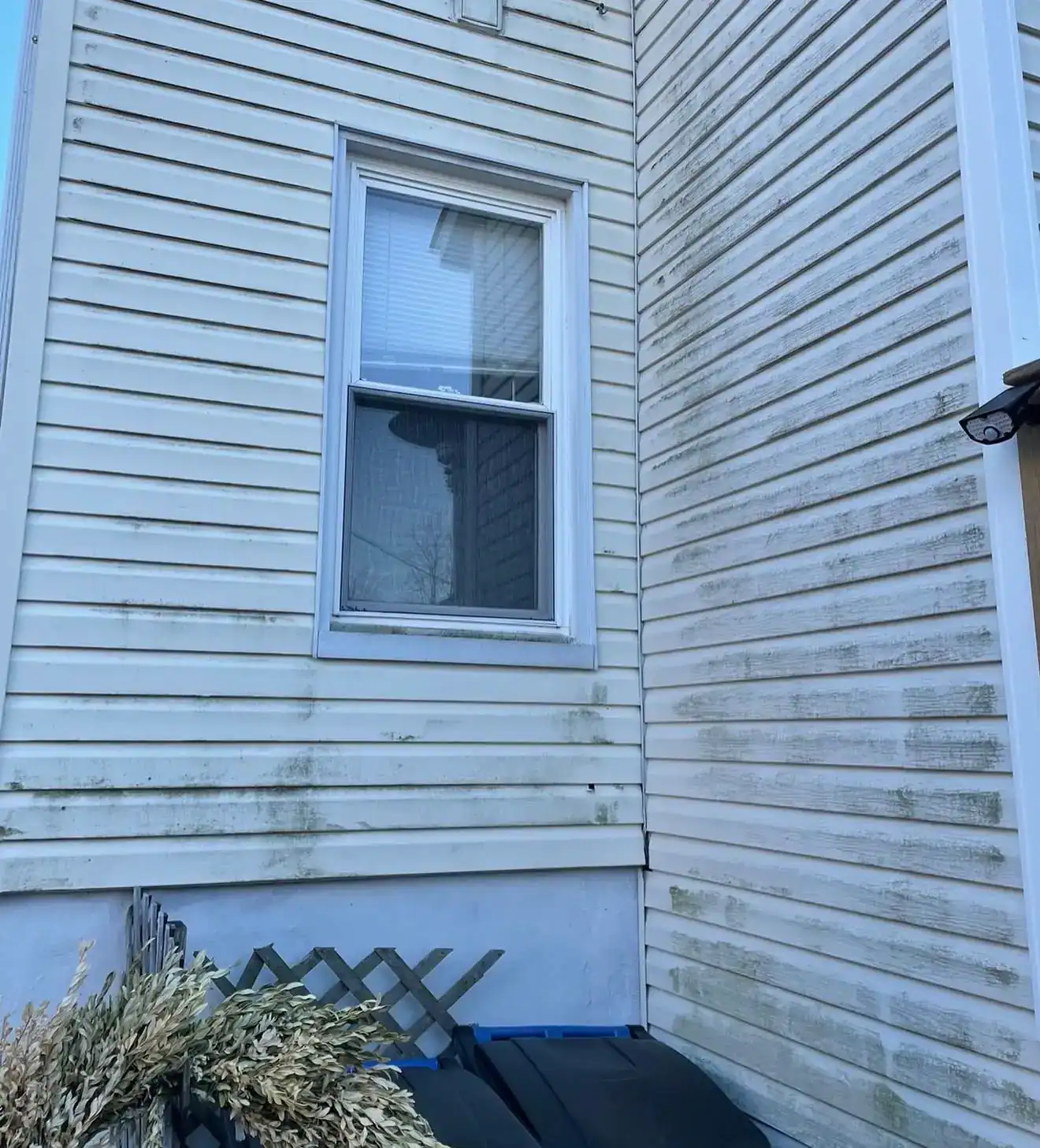
You’ve tried rinsing your siding with a garden hose. Maybe you even scrubbed a section by hand. The stains barely budge, or they come back within days. That resistance tells you the contamination has penetrated beyond the surface.
Concrete, brick, and wood are porous materials that absorb staining agents deep into their structure. Vinyl and composite materials have textured surfaces with microscopic pores where dirt, algae, and pollution settle in. Once contaminants embed themselves, surface-level cleaning doesn’t reach them. You’re essentially trying to clean the top layer while the real problem sits protected underneath.
Stubborn stains also indicate that the protective coatings on your siding have degraded. Fresh paint and factory finishes on siding materials include sealants that repel water and resist staining. Over time, UV exposure, weather, and coastal conditions break down these protections. Without that barrier, your siding becomes more vulnerable to staining and moisture damage.
This is particularly problematic in Nassau County because the constant humidity means your siding rarely gets a chance to fully dry out. Moisture trapped behind dirt and grime creates perfect conditions for rot in wood materials and promotes faster deterioration in all siding types. What looks like a simple stain on the surface might be hiding moisture damage, mold growth, or material breakdown underneath.
Professional exterior house cleaning addresses both the visible stains and the underlying causes. Specialized cleaning solutions break down the chemical bonds that make stains stick. Proper pressure washing techniques reach into pores and textured surfaces to extract embedded contamination. And the process reveals the actual condition of your siding—whether it just needs cleaning or if you’re looking at repairs that need attention before they worsen.
Homeowners often discover that areas they thought were permanently damaged or faded actually clean up beautifully once we remove years of buildup. But the opposite is also true—cleaning sometimes reveals damage that was hidden under grime. Either way, you get accurate information about your home’s condition instead of guessing based on what you can see through the dirt.
Living near the coast comes with benefits—ocean breezes, beach access, beautiful views. It also comes with environmental factors that age your home’s exterior faster than properties just a few miles inland. Salt air is corrosive. It doesn’t just affect metal fixtures and railings. It settles on every surface, and when humidity or rain arrives, that salt becomes a corrosive solution that eats away at protective coatings.
Nassau County’s position on Long Island means homes face Atlantic weather systems, nor’easters, and constant exposure to moisture-laden winds. The salt particles carried in that air are microscopic—you can’t see them accumulating, but they’re there. Over time, they build up a coating that accelerates the breakdown of paint, sealants, and siding materials themselves.
Add in the pollution that comes with suburban density—vehicle exhaust, industrial emissions, and airborne particles from construction and landscaping—and you’ve got a layer of contamination that doesn’t rinse away with rain. In fact, rain often makes it worse by creating a paste that adheres more firmly to surfaces.
This combination is why homes in coastal Nassau County need more frequent exterior cleaning than the national average. Recommendations that suggest washing your house every few years don’t account for the aggressive environmental conditions your home faces. Here, annual cleaning is closer to the minimum, and homes with significant shade, nearby trees, or direct coastal exposure often benefit from twice-yearly professional washing.
The visual difference between a recently cleaned home and one that hasn’t been washed in years is dramatic. But the functional difference is even more important. Regular cleaning removes the corrosive and moisture-trapping contaminants before they cause permanent damage. It extends the life of your siding, paint, and trim. And it prevents the kind of deterioration that forces premature replacement of exterior materials that should have lasted decades.
Think of professional house washing as preventive maintenance, not just cosmetic improvement. You change your car’s oil to prevent engine damage. You clean your gutters to prevent water damage. Washing your home’s exterior serves the same purpose—removing harmful buildup before it shortens the lifespan of expensive materials. In Nassau County’s coastal climate, that maintenance is more critical and more time-sensitive than in areas with gentler weather.
Your home shows you when it needs attention. Mold streaks, stubborn discoloration, and persistent grime aren’t cosmetic annoyances—they’re warning signs that your exterior is under attack from Nassau County’s coastal climate. The sooner you address these signs, the less damage occurs and the longer your siding, paint, and trim will last.
Professional house washing removes the organic growth, embedded dirt, and corrosive contaminants that age your home prematurely. It protects your investment, maintains curb appeal, and prevents the kind of deterioration that leads to expensive repairs or premature replacement. Most importantly, it gives you accurate information about your home’s condition so you can make informed decisions about maintenance and upgrades.
If you’re seeing any of the signs discussed here, we bring the professional equipment, experienced crew, and coastal expertise to restore your home’s exterior safely and effectively.
Summary:
Share: