Professional pressure washing services and more across Long Island.
Contact Info
- Roslyn Heights, NY 11577
- Call: 516-353-8711
- Text: 516-353-8711
- 24/7 - 365 Days
Professional pressure washing services and more across Long Island.
Contact Info
Choosing between soft washing and pressure washing can prevent thousands in damage. Here's what Nassau County homeowners need to know before cleaning their exterior.
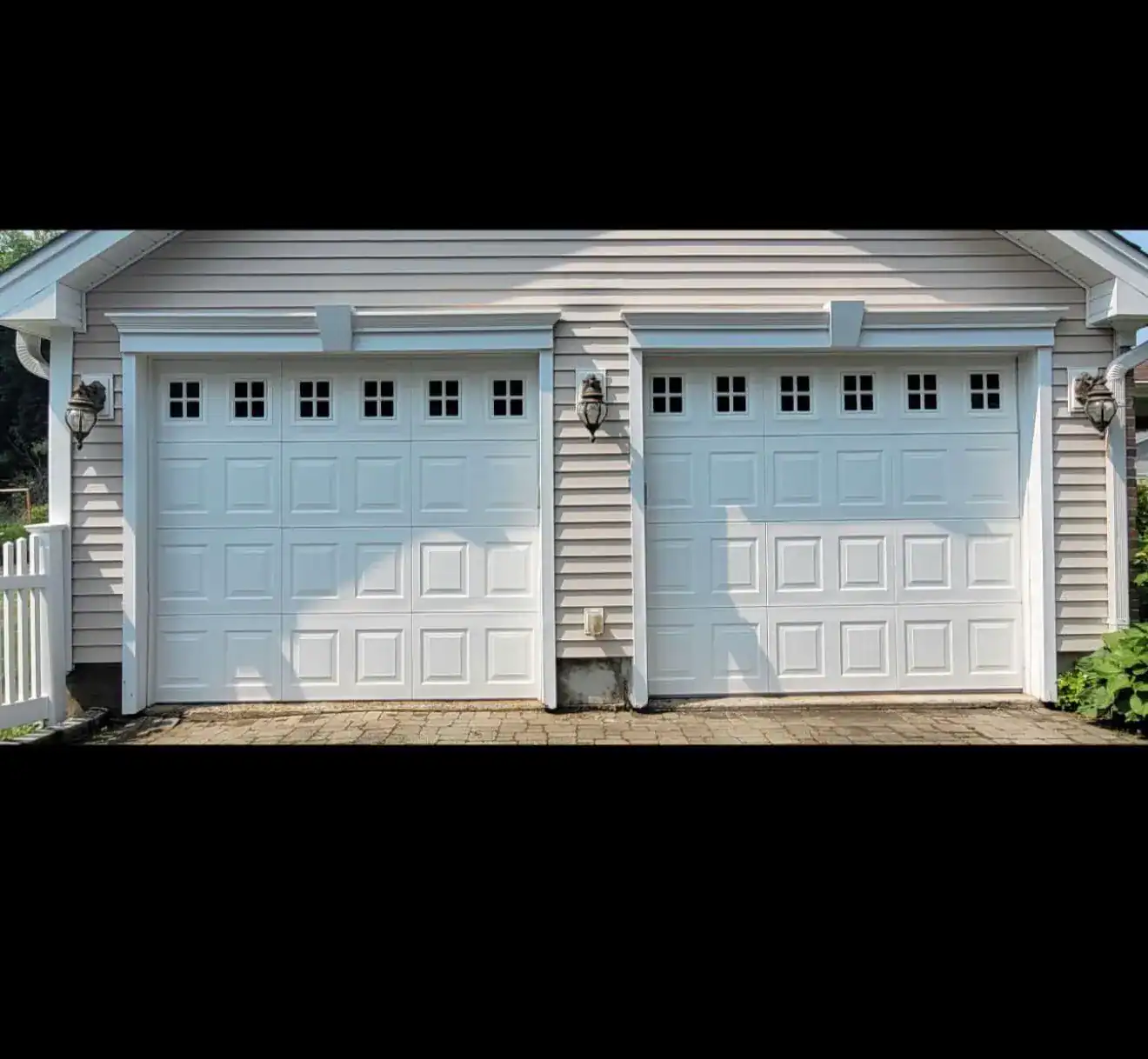
Soft washing uses low water pressure—typically between 100 and 500 PSI—combined with specialized cleaning solutions to remove dirt, algae, mold, and mildew from exterior surfaces. Think of it like a garden hose with chemistry doing the heavy lifting instead of force.
The process applies biodegradable cleaners that cling to surfaces and break down organic growth at the root. After the solution dwells for a few minutes, a gentle rinse washes everything away without the risk of damage. It’s not about blasting grime off—it’s about dissolving it safely.
This method was originally developed for roof cleaning because asphalt shingles can’t handle high pressure. But it works just as well on vinyl siding, stucco, wood, painted surfaces, and anything else that could be harmed by aggressive water force.
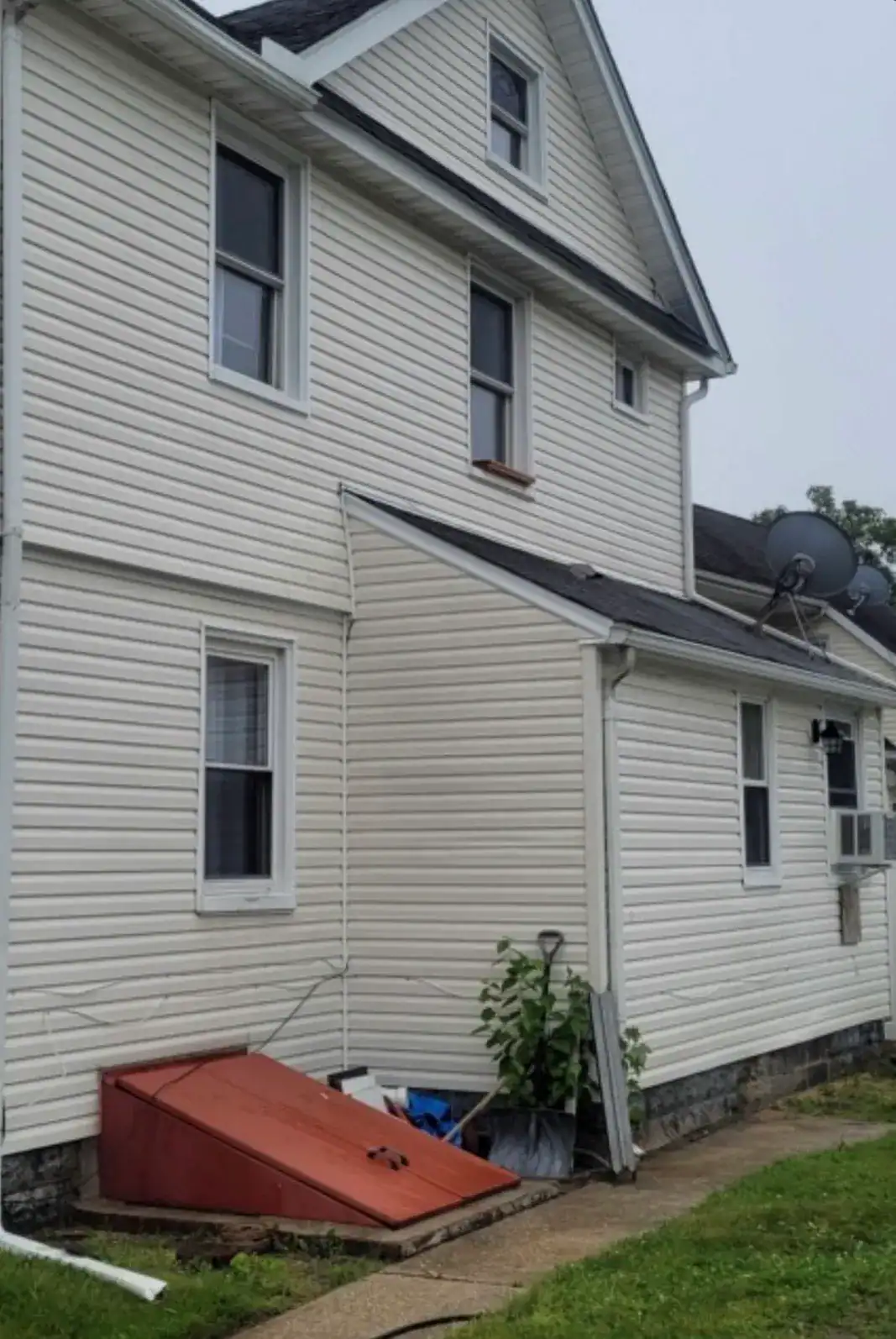
Here’s what most people don’t know: pressure washing your roof can void your manufacturer’s warranty. High pressure strips away the protective granules on asphalt shingles, shortening their lifespan and leaving your roof vulnerable to UV damage and leaks.
Soft washing solves this problem entirely. The low pressure won’t dislodge shingles, force water under them, or damage the surface. Instead, the cleaning solution does the work by killing algae, moss, and mold at the source—not just washing away the visible layer.
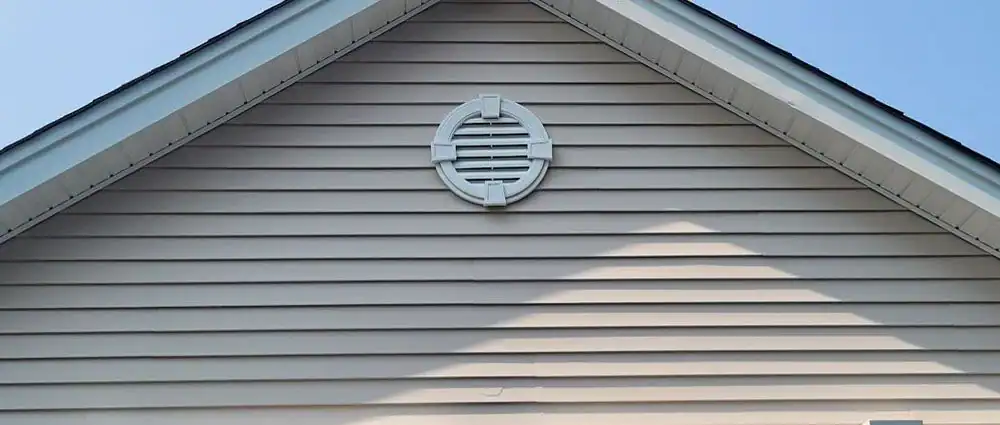
The same logic applies to house siding. Pressure washing can force water behind vinyl panels, leading to moisture damage, mold growth inside your walls, and even structural issues you won’t see until it’s too late. Soft washing cleans just as effectively without pushing water where it shouldn’t go.
In Nassau County, NY, where humidity and coastal air create perfect conditions for algae and mildew, soft washing also delivers longer-lasting results. Because it kills growth at the root instead of just rinsing it away, your surfaces stay cleaner for months longer than they would after a standard pressure wash.
Soft washing is also gentler on painted surfaces, trim, windows, and any area where high pressure could strip finishes or crack materials. If your home has wood siding, stucco, or older materials, soft washing is almost always the right call. It’s not about being cautious—it’s about being smart with a method that actually works better for these surfaces.
Not every surface can handle high pressure, and knowing which ones fall into that category can save you thousands in repairs. Roofs are the obvious example, but the list goes further than most people realize.
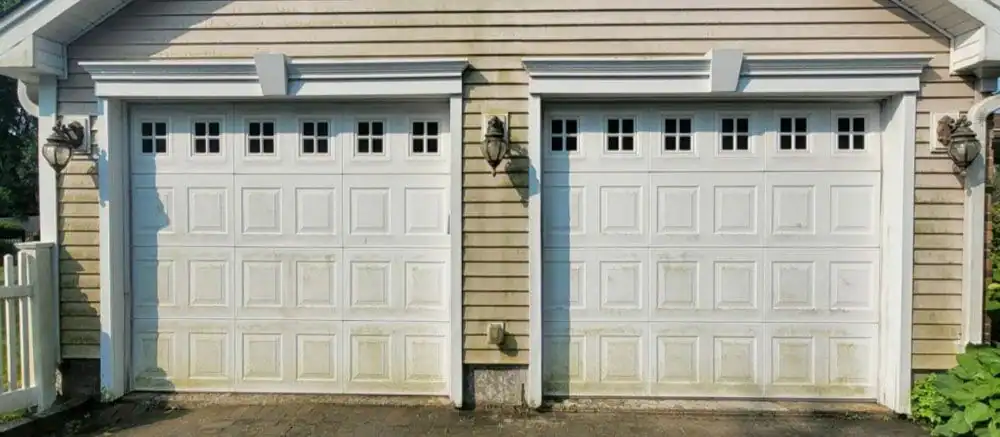
Vinyl siding is one of the most common materials that should never see high-pressure washing. The force can crack panels, warp edges, or—worse—drive water behind the siding where it sits and breeds mold. Soft washing keeps the siding intact while removing years of dirt and organic growth.
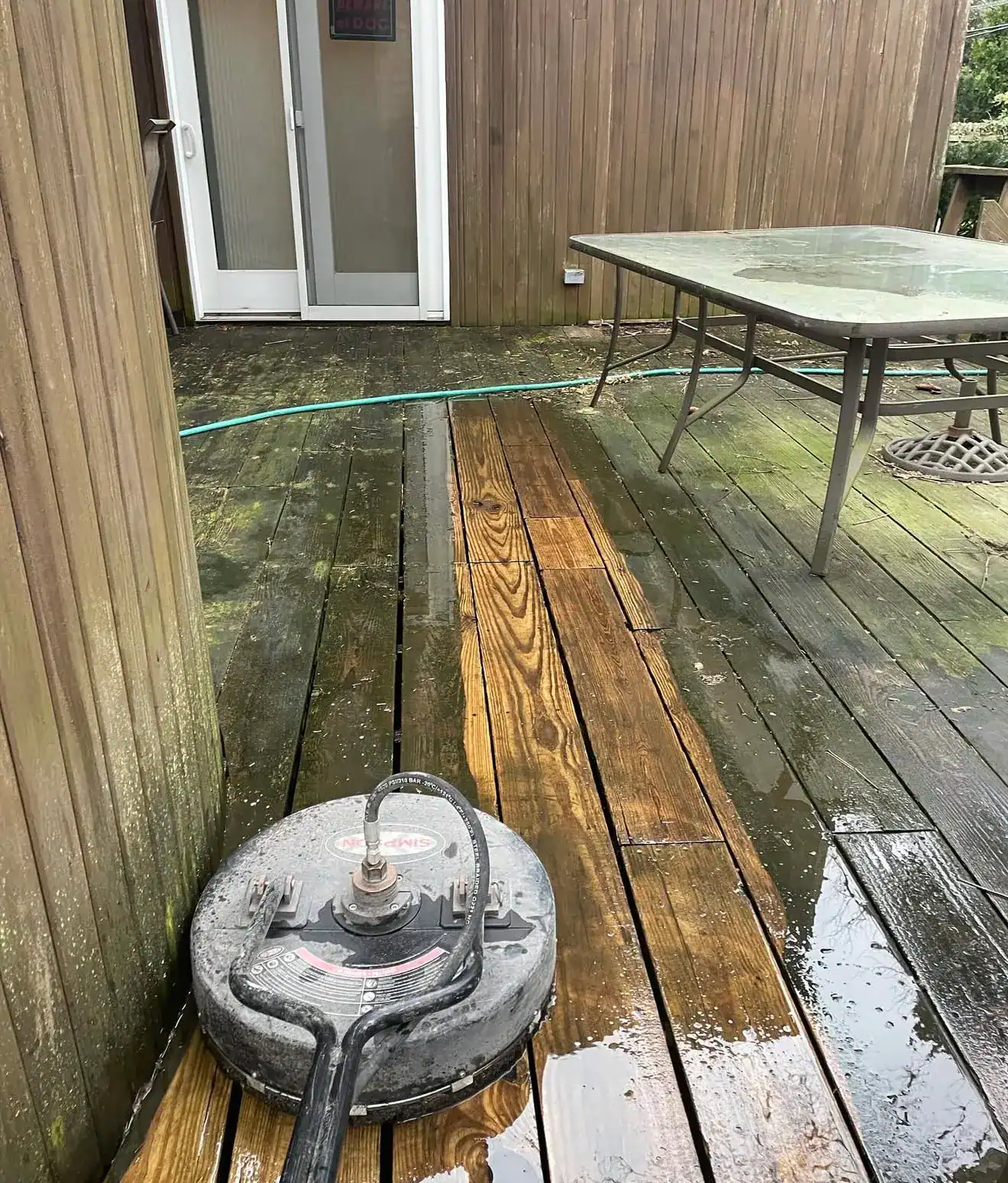
Wood surfaces, whether siding, decks, or fences, are also too delicate for pressure washing. High pressure gouges the wood, splinters the surface, and strips away protective stains or sealants. Soft washing cleans without tearing up the material, which means your deck or fence lasts longer and looks better.
Stucco and painted surfaces are other areas where soft washing is non-negotiable. Stucco is porous and can absorb water under pressure, leading to cracks and interior moisture problems. Painted surfaces, whether on siding or trim, will lose their finish under a high-pressure blast. Soft washing protects the paint while still removing the grime underneath.
Even asphalt driveways, which seem tough, can benefit from soft washing if they’re older or have cracks. High pressure can widen those cracks and accelerate deterioration. Soft washing with the right solution cleans the surface without making existing damage worse.
If you’re in Nassau County and dealing with algae on your roof, green streaks on your siding, or mildew on your stucco, soft washing is the method that cleans without consequences. It’s not the “gentle” option—it’s the effective one that doesn’t leave you with a repair bill.
Want live answers?
Connect with a CPR Power Washing expert for fast, friendly support.
Pressure washing isn’t the villain here—it’s just the wrong tool for certain jobs. When you’re dealing with hard, durable surfaces and stubborn stains, pressure washing is faster, more efficient, and gets results that soft washing can’t match.
The key difference is the water pressure. Pressure washing uses anywhere from 1,300 to 4,000 PSI, which is enough force to blast away caked-on dirt, oil stains, tire marks, and other tough buildup. For surfaces that can handle it, pressure washing saves time and delivers a deeper clean.
Concrete driveways, sidewalks, and patios are prime candidates. These surfaces are built to withstand weight and weather, so they can handle the force of high-pressure water. Pressure washing strips away years of grime, restores the original color, and makes a noticeable difference in curb appeal.
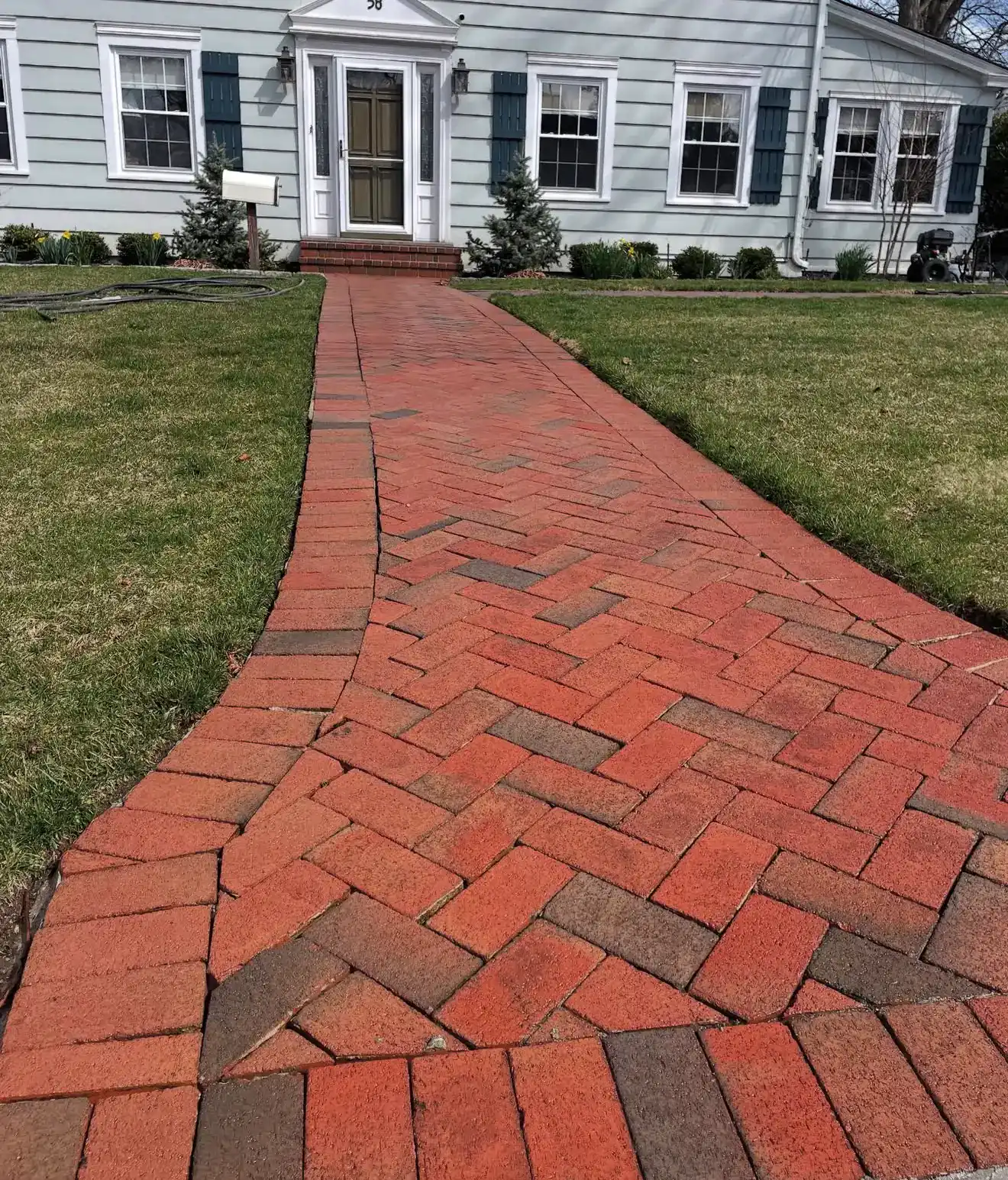
Concrete is the most obvious surface for pressure washing, but it’s not the only one. Brick, stone, and metal can all be cleaned effectively with high pressure as long as we adjust the PSI and angle the spray correctly.
Driveways are where pressure washing really shines. Oil stains, tire marks, rust spots, and general grime build up over time, and soft washing won’t cut through that level of buildup. Pressure washing blasts it all away, leaving a clean surface that looks almost new.
Patios and walkways, especially those made from concrete or pavers, also benefit from pressure washing. Dirt settles into the pores of the material, and algae or moss can make the surface slippery and unsafe. Pressure washing removes all of it in a fraction of the time it would take with any other method.
Fences, depending on the material, can sometimes be pressure washed. Vinyl fences can usually handle moderate pressure, while wood fences need a lighter touch or should be soft washed instead. Metal fences, railings, and gates are durable enough for pressure washing, especially if they’ve accumulated rust or heavy dirt.
Even certain types of decking, like composite materials, can be pressure washed if the PSI is kept low enough. But here’s the catch: if you’re not sure whether a surface can handle the pressure, it’s better to default to soft washing. The risk of damage isn’t worth the time savings.
In Nassau County, where driveways and patios see a lot of use and exposure to the elements, pressure washing is often the best way to keep those surfaces looking good and functioning safely. We make sure to use the right method for each surface so you get the results you need without the risk.
Using pressure washing on a surface that should be soft washed isn’t just ineffective—it’s destructive. And once the damage is done, it’s expensive to fix.
Roofs are the most common casualty. High-pressure water strips the granules off asphalt shingles, which are there to protect the underlying material from UV rays and weather. Without those granules, your roof ages faster, becomes more vulnerable to leaks, and may need to be replaced years earlier than it should have been.
Siding is another frequent victim. Pressure washing can crack vinyl, gouge wood, chip paint, and force water behind the panels where it causes mold and rot. You might not see the damage right away, but it’s there, and it gets worse over time.
Even concrete, which seems indestructible, can be damaged by improper pressure washing. If the PSI is too high or the nozzle is held too close, the surface can be etched or pitted, leaving permanent marks. Older concrete with cracks can have those cracks widened or deepened, turning a cosmetic issue into a structural one.
Windows, trim, and anything with caulking or sealant are also at risk. High pressure can blow out caulk, crack window seals, and strip paint from trim. These are small details, but they add up to a lot of repair work if the wrong method is used.
The other risk is water intrusion. Pressure washing can drive water into places it’s not supposed to go—under siding, into attics, behind trim, or through tiny cracks in stucco. That water sits there, creating the perfect environment for mold and rot. By the time you notice, the damage is already significant.
This is why knowing when to use pressure washing versus soft washing matters. It’s not about being overly cautious—it’s about using the right tool for the job so you don’t end up paying for repairs that could have been avoided.
The difference between soft washing and pressure washing comes down to surface type, buildup severity, and whether you want to clean your home or accidentally damage it. Soft washing is the safer, smarter choice for roofs, siding, stucco, wood, and painted surfaces. Pressure washing works best on concrete, brick, stone, and other durable materials that can handle the force.
If you’re dealing with algae, mold, or mildew on your Nassau County home, soft washing kills it at the source and keeps it from coming back as quickly. If you’ve got oil stains on your driveway or years of grime on your patio, pressure washing cuts through it fast.
The key is working with someone who knows which method to use and has the equipment to do both correctly. We bring that expertise to every job, using the right approach for each surface so your home gets clean without the risk of damage.
Summary:
Share: