Professional pressure washing services and more across Long Island.
Contact Info
- Roslyn Heights, NY 11577
- Call: 516-353-8711
- Text: 516-353-8711
- 24/7 - 365 Days
Professional pressure washing services and more across Long Island.
Contact Info
Choosing the wrong pressure washing method can crack windows, force water behind your siding, and cost thousands in repairs. Here's what Nassau County homeowners need to know.
You’ve noticed the streaks on your siding. The driveway’s covered in grime. Your deck looks like it hasn’t been touched in years. A pressure washer seems like the obvious fix—until you hear about cracked windows, water trapped in walls, and siding that’s been blasted clean off the house.
Not every surface can handle high pressure, and not every company knows the difference. In Nassau County, where salty air and humid summers accelerate buildup, your home needs cleaning that’s both effective and safe. This page covers the methods that work, the risks you should know about, and how to choose a service that actually protects your property while making it look new again.
There’s a reason we don’t use the same pressure on your roof that we use on your driveway. High-pressure water can strip paint, crack seals, and force moisture into places it doesn’t belong. Soft washing takes a different approach—lower pressure, specialized cleaning solutions, and a focus on dissolving buildup instead of blasting it away.
Soft washing typically operates between 150 and 300 PSI, which is gentle enough for vinyl siding, wood surfaces, and roofing materials. Traditional pressure washing, on the other hand, can reach 3,000 PSI or more—enough force to damage window seals, chip wood, and send water straight through the gaps in your siding. For most residential surfaces in Nassau County, soft washing is the smarter choice.
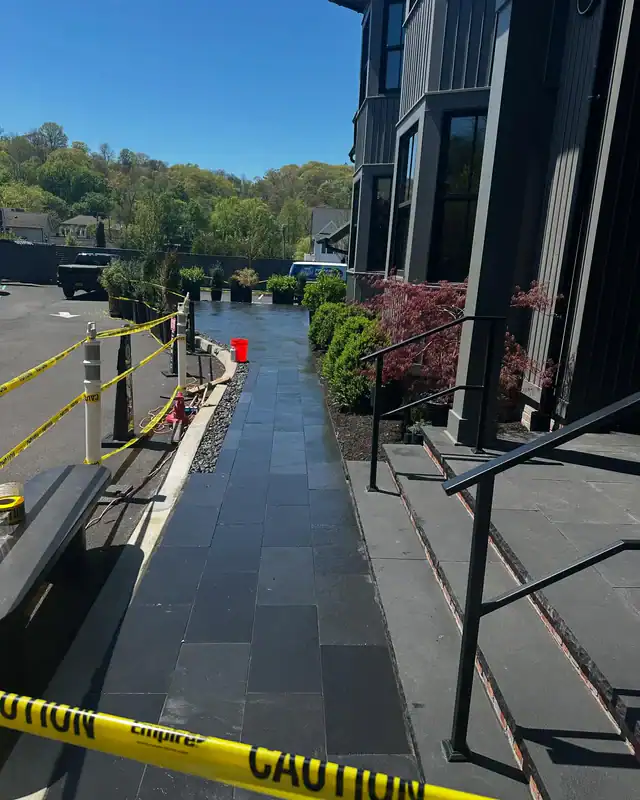
Those dark streaks running down your roof aren’t just dirt. They’re algae, and they’re feeding on your shingles. Left untreated, algae shortens the lifespan of your roof and spreads across the surface, making your home look neglected even if everything else is spotless.
Soft wash roof cleaning uses biodegradable solutions that kill algae, mold, and mildew at the root. The low-pressure application means there’s no risk of lifting shingles, breaking seals, or forcing water under the roofing material. High-pressure washing, by contrast, can strip away the protective granules on asphalt shingles and create leaks that won’t show up until the next heavy rain.
The process starts with a thorough inspection. Any loose or damaged shingles get flagged before the cleaning begins. The cleaning solution is applied evenly across the roof, allowed to sit long enough to break down organic growth, then rinsed gently. The result is a roof that looks clean without the wear and tear that comes from aggressive pressure washing.
Soft washing also treats the problem at its source. Because the cleaning agents penetrate deeper than water alone, they eliminate the spores and root systems that cause regrowth. That means your roof stays cleaner longer, and you’re not scheduling another cleaning six months later because the algae came back.
For homeowners in Nassau County, where humidity and coastal air create ideal conditions for roof staining, soft wash roof cleaning is one of the most effective ways to maintain curb appeal and protect your investment. It’s not just about aesthetics—it’s about preserving the materials that keep your home dry and structurally sound.
Every home has surfaces that need different levels of care. Your driveway can handle high pressure. Your windows can’t. Professional residential pressure washing means knowing which method to use on which surface, and that knowledge is what separates a clean home from a damaged one.
Concrete driveways, brick walkways, and stone patios benefit from traditional pressure washing. These hard surfaces can withstand the force needed to remove embedded dirt, oil stains, and tire marks. But when it comes to siding, decks, fences, and roofs, the approach changes. Vinyl siding, for example, is durable but not indestructible. Too much pressure can crack panels, force water behind the siding, or create gaps that let moisture seep into your walls.
Wood decks present their own challenges. High pressure can splinter the wood, strip away stain, and leave the surface rougher than it was before. Soft washing, combined with a gentle scrub where needed, removes mold and mildew without damaging the grain. The same goes for wood fences, which are prone to cracking under excessive force.
Windows are another area where technique matters. Direct pressure can shatter glass, break thermal seals, and damage the caulking that keeps water out. We keep the nozzle at a safe distance, use a wide spray pattern, and avoid aiming directly at the glass. Screens get removed and cleaned separately, not blasted with water that can tear the mesh.
The goal of residential pressure washing isn’t just to make your home look better. It’s to remove the contaminants that cause long-term damage—algae that eats away at roofing materials, mold that spreads across siding, and dirt that traps moisture against wood. When done correctly, pressure washing extends the life of your exterior surfaces and saves you money on repairs down the line.
In Nassau County, where homes deal with salt spray, pollen, and seasonal grime, regular cleaning is part of smart maintenance. But it only works if the cleaning itself doesn’t create new problems. That’s why choosing a service with the right equipment, proper training, and an understanding of surface-specific techniques is essential.
Want live answers?
Connect with a CPR Power Washing expert for fast, friendly support.
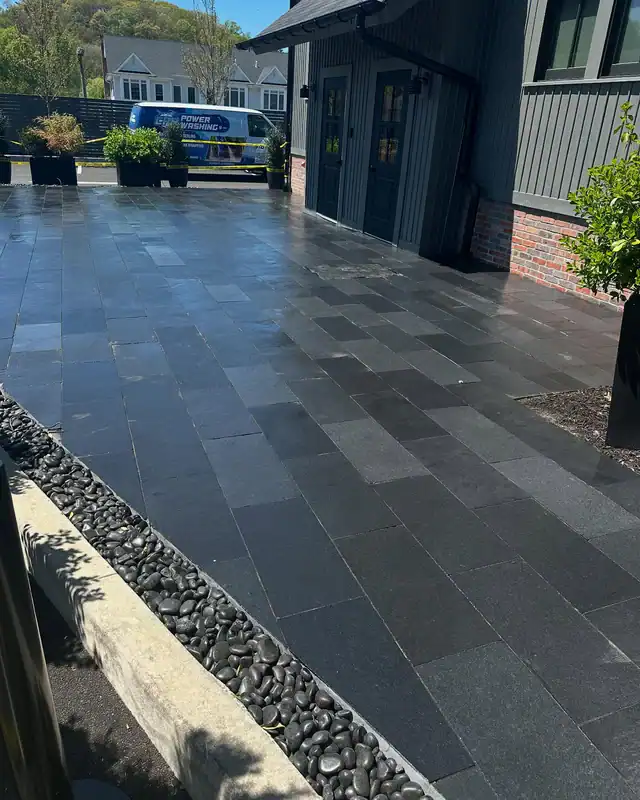
Your driveway takes more abuse than any other part of your property. Tire marks, oil leaks, dirt tracked in from the street—it all builds up over time, and a garden hose won’t touch it. Driveway pressure washing removes the grime that’s been ground into the concrete, restoring the surface and making your home’s entrance look intentional again.
Concrete can handle high pressure, which is exactly what’s needed to lift embedded stains. A surface cleaner attachment creates an even spray pattern that prevents streaking and covers large areas efficiently. For oil stains, a degreasing agent gets applied first, giving it time to break down the residue before the rinse.
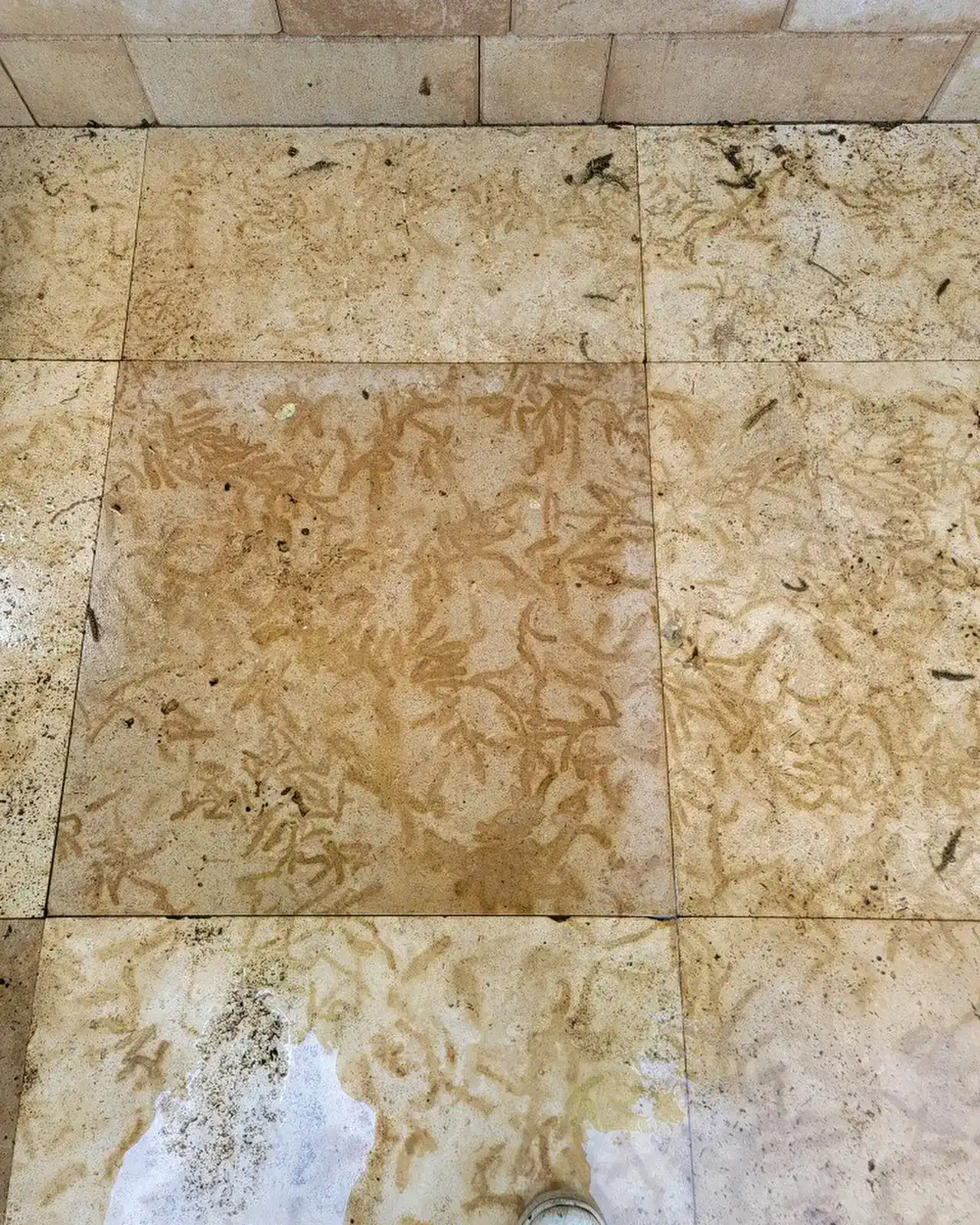
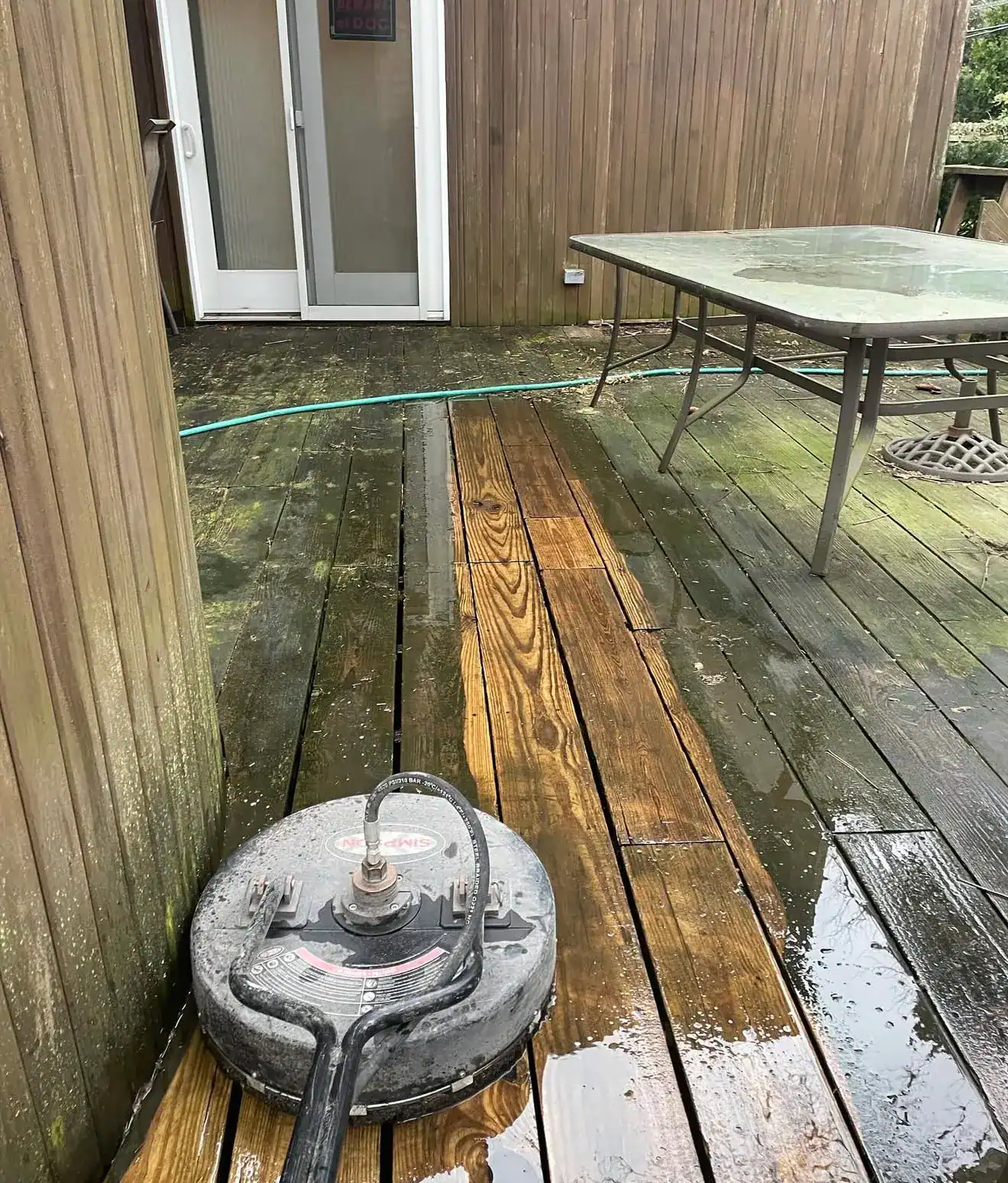
A deck that’s covered in mildew, dirt, and algae isn’t just an eyesore—it’s a safety hazard. Algae makes wood slippery, and moisture trapped in the grain accelerates rot. Deck power washing removes the buildup and prepares the surface for sealing or staining, which extends the life of the wood and keeps it looking sharp.
The key to cleaning a deck without damaging it is using the right pressure. Too much force splinters the wood and strips away the protective finish. Too little, and you’re left with surface dirt that comes back in a few weeks. We adjust the pressure based on the type of wood, the age of the deck, and the level of buildup.
Soft washing is often the better choice for older decks or those with a stain or sealant already applied. The cleaning solution does most of the work, loosening dirt and killing organic growth without the mechanical force that can damage weathered wood. For newer decks or those that haven’t been sealed, a slightly higher pressure setting combined with a wide-angle nozzle provides a thorough clean without gouging the surface.
After the cleaning, the deck needs time to dry completely before any sealant or stain gets applied. Rushing this step traps moisture under the finish, which leads to peeling and discoloration. A properly cleaned and sealed deck can last years longer than one that’s been neglected or cleaned improperly.
Deck railings, stairs, and support posts also need attention. These areas collect dirt and moisture, and they’re often the first places where rot starts. A complete deck power washing service covers every surface, not just the main platform, ensuring that the entire structure is clean and protected.
For Nassau County homeowners, where decks endure humid summers and harsh winters, regular cleaning is part of maintaining the investment. A clean deck is a usable deck, and one that’s been cared for properly adds value to your home.
The difference between soft washing and pressure washing isn’t just about PSI—it’s about knowing which method protects your property while still delivering results. Soft washing uses low pressure (150-300 PSI) and relies on cleaning solutions to break down dirt, algae, and mold. Pressure washing uses high pressure (up to 3,100 PSI) to blast away grime from hard surfaces like concrete and brick.
For most residential exteriors, soft washing is the safer choice. Vinyl siding, wood surfaces, roofing materials, and painted trim can all be damaged by high-pressure water. The force can crack seals, strip paint, splinter wood, and push water into areas where it causes rot and mold growth. Soft washing avoids these risks by using chemistry instead of force.
Traditional pressure washing still has its place. Driveways, sidewalks, stone patios, and brick walkways can handle the pressure needed to remove deep stains and embedded dirt. These surfaces benefit from the mechanical force that lifts grime without the need for heavy scrubbing.
The cleaning solutions used in soft washing are designed to kill organic growth at the root. That means algae, mold, and mildew don’t come back as quickly as they would after a simple rinse. The biodegradable formulas are safe for plants, pets, and the environment, but strong enough to dissolve buildup that’s been accumulating for months or years.
We know which method to use based on the surface material, the type of staining, and the condition of the structure. We don’t use one tool for every job—we assess the situation and choose the approach that delivers the best results without causing damage.
In Nassau County, where homes are exposed to salt air, pollen, and humidity, both methods play a role in maintaining exterior surfaces. The key is understanding when to use each one, and that’s where experience and proper training make the difference.
Your home’s exterior is exposed to everything—salt air, pollen, algae, dirt, and moisture. Over time, that buildup doesn’t just look bad. It damages the materials, shortens their lifespan, and costs you more in repairs than regular cleaning ever would.
Professional pressure washing removes the contaminants that cause long-term damage, but only when it’s done with the right equipment and technique. Soft washing protects delicate surfaces. High-pressure cleaning tackles tough stains on concrete and stone. The difference is knowing which method to use and when.
If you’re ready to restore your home’s curb appeal without the risk of damage, we bring the experience, equipment, and accountability you need. Owner Niko personally oversees every project, ensuring quality from start to finish. Licensed, insured, and built around professionalism, we serve Nassau County homeowners who value clear communication, honest work, and results that last.
Summary:
Share: