Professional pressure washing services and more across Long Island.
Contact Info
- Roslyn Heights, NY 11577
- Call: 516-353-8711
- Text: 516-353-8711
- 24/7 - 365 Days
Professional pressure washing services and more across Long Island.
Contact Info
Choosing between soft washing and pressure washing isn't just about getting clean surfaces—it's about protecting your home from damage that costs thousands to repair.
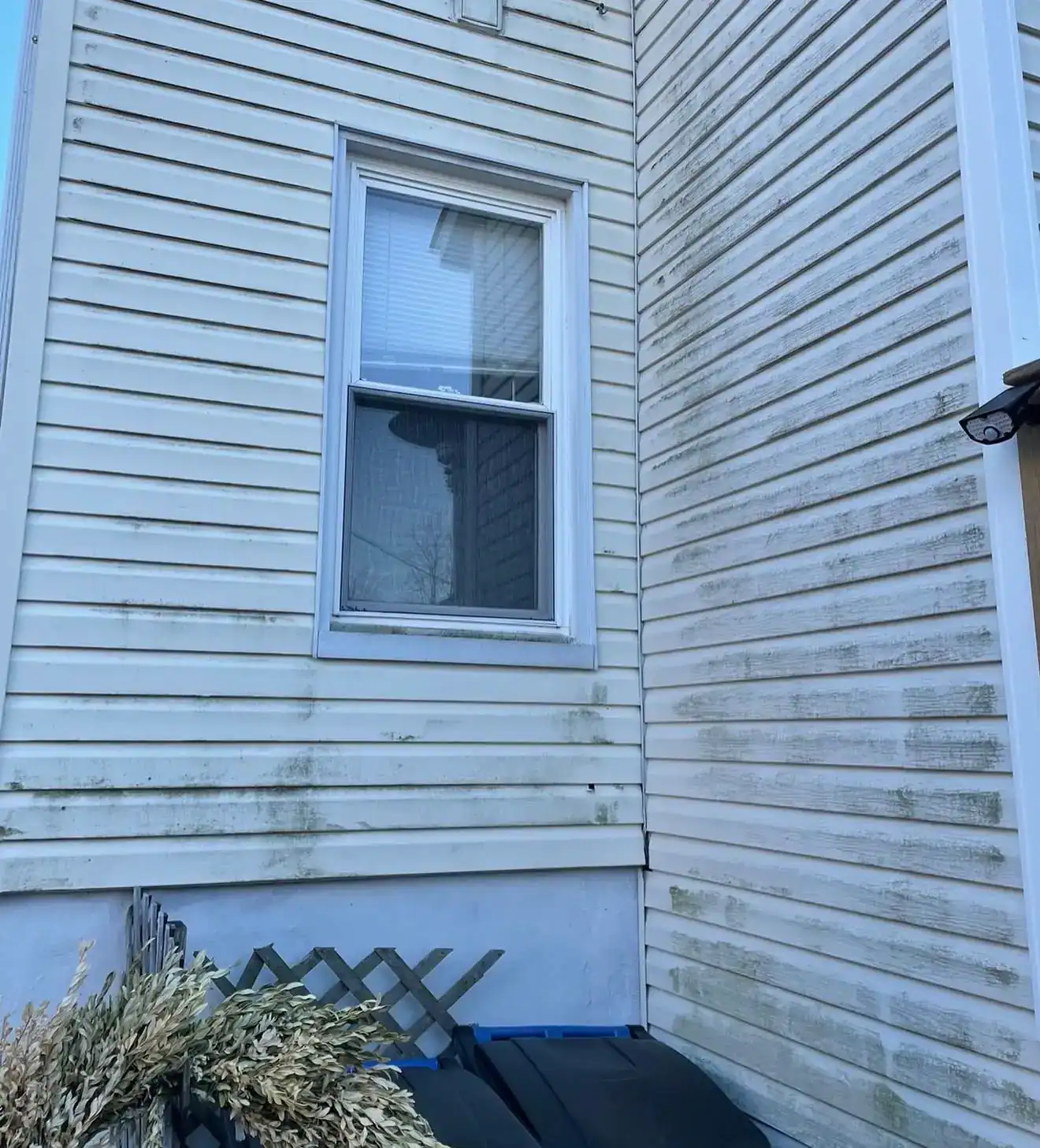
You’ve noticed the dark streaks on your roof. The siding doesn’t look like it used to. Your driveway has that green tinge that won’t scrub off. You know your home needs cleaning, but here’s where it gets tricky: the wrong cleaning method can strip years off your roof’s life, crack your siding, or force water into places it should never go. The difference between soft washing and pressure washing isn’t just technical—it’s the difference between protecting your investment and paying for repairs you didn’t see coming. Let’s talk about what actually matters when you’re trying to keep your Nassau County home clean without causing damage.
Soft washing uses low-pressure water—typically between 150 and 300 PSI—combined with specialized cleaning solutions to remove dirt, algae, mold, and mildew from exterior surfaces. Think of it less like blasting and more like treating. The cleaning solution does the heavy lifting by breaking down organic growth at the root level, then a gentle rinse washes it all away.
The pressure is about the same as your garden hose, maybe slightly stronger. That’s intentional. When you’re dealing with surfaces like roofs, painted siding, or wood, high pressure becomes the enemy. Soft washing protects these materials while still delivering a thorough clean that actually lasts longer than pressure washing alone.
The solutions we use are typically biodegradable and include things like sodium hypochlorite, surfactants, and algaecides. We dilute and apply these carefully to avoid harming your landscaping while killing the organisms that make your home look dingy.
Your roof is one of the most expensive components of your home, and it’s also one of the most vulnerable to cleaning damage. Asphalt shingles have protective granules embedded in them—those little rock-like pieces you sometimes see in your gutters. These granules shield your shingles from UV damage and weather. Pressure washing strips them away.
When you blast a roof with high pressure, you’re not just removing algae. You’re removing years of protection and potentially voiding your warranty in the process. The Asphalt Roofing Manufacturers Association actually recommends gentle cleaning solutions rather than pressure washing for algae removal. That’s not a suggestion—it’s based on what keeps roofs functional longer.
Soft wash roof cleaning treats those black streaks and moss growth without the collateral damage. The cleaning solution penetrates the layers where organisms attach and kills them at the source. This means the results last longer because you’re not just washing off the surface—you’re eliminating what’s causing the problem.
In Nassau County’s humid climate, algae and moss find perfect growing conditions on your roof. They’re not just ugly. They actually feed on your roofing materials and trap moisture, which accelerates deterioration. Soft washing stops that process without forcing water under your shingles or loosening the adhesive that holds them in place. High pressure can do both, and once water gets under your shingles, you’re looking at leaks and rot you won’t see until the damage is done.
Professional soft washing also means your roof gets cleaned without someone walking all over it with a pressure washer wand—a safety hazard that’s caused serious injuries. The low-pressure application is easier to control and safer for both the technician and your roof structure.
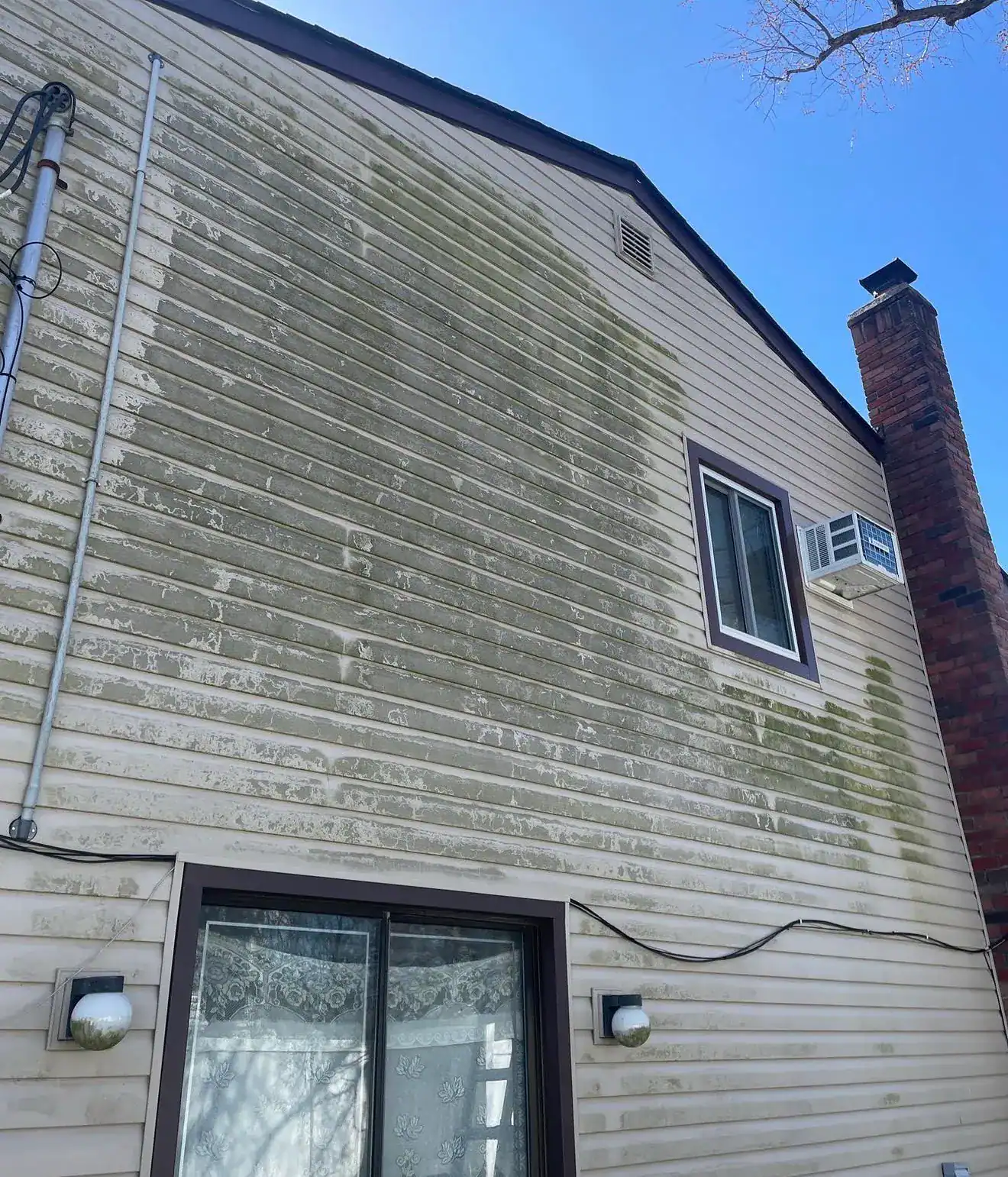
Vinyl siding seems tough, but it’s more delicate than most homeowners realize. Yes, it can technically withstand up to 3,000 PSI, but that doesn’t mean it should. Pressure washing vinyl at high settings can bend it, crack it, create holes, and—most dangerously—force water behind it into your home’s interior spaces.
Once water gets behind your siding, you’re dealing with potential mold growth, wood rot, and structural damage that costs exponentially more to fix than the cleaning ever cost. The seams where siding panels overlap are particularly vulnerable. Aim a high-pressure stream at the wrong angle and you’re essentially injecting water into your walls.
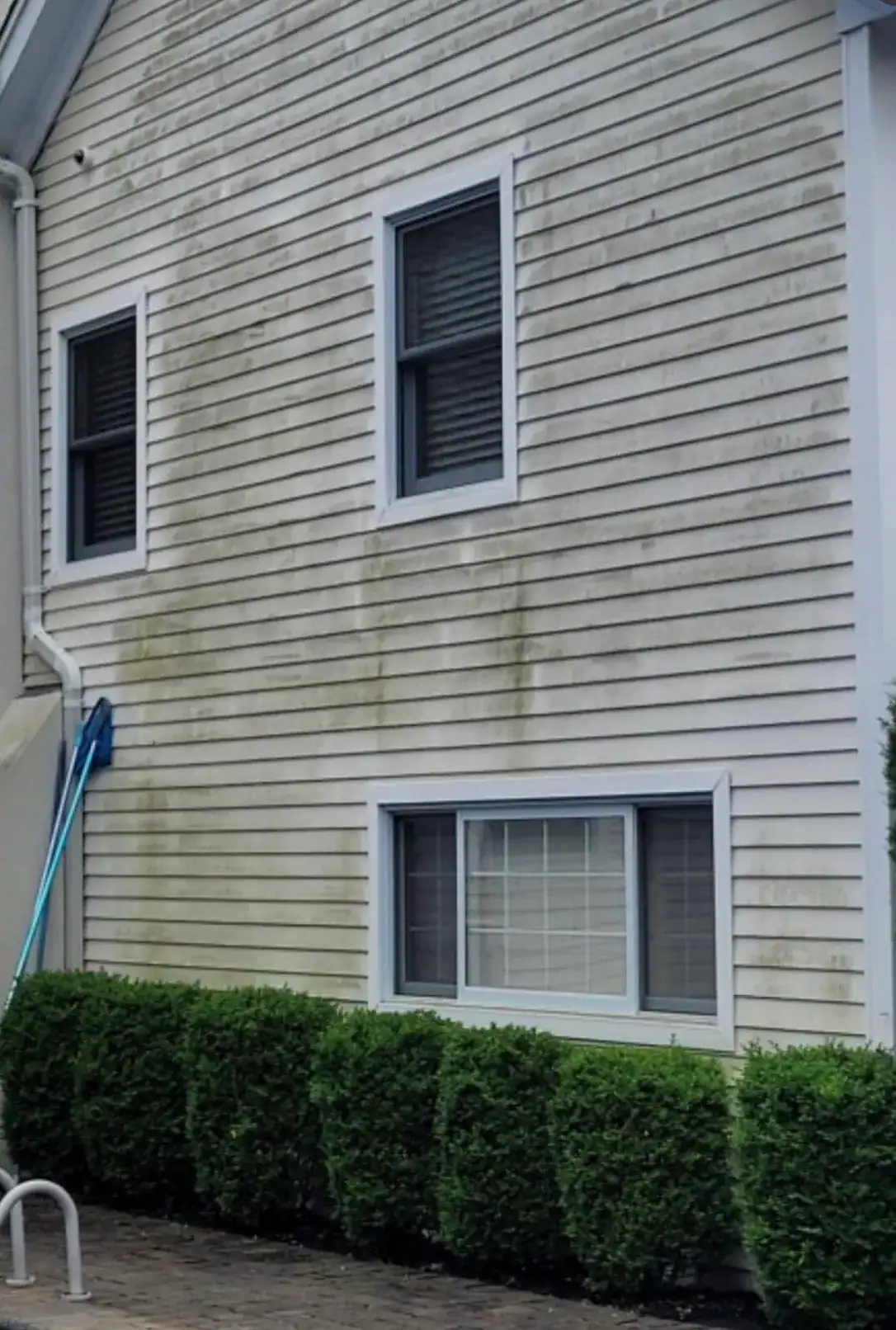
Soft washing eliminates that risk entirely. The low pressure combined with cleaning solutions removes the green algae, black mold, and grimy mildew without threatening the integrity of your siding or the seal around windows and doors. The biodegradable solutions break down the organic growth, and the gentle rinse washes it away without forcing water where it shouldn’t go.
Painted surfaces present another challenge. Pressure washing can strip paint right off, especially if it’s older or already showing signs of wear. If your home was built before certain years, there’s also the risk of lead paint, and loosening that with a pressure washer creates a health hazard. Soft washing cleans painted surfaces without removing the paint itself.
Wood siding, stucco, and delicate trim all fall into the soft washing category. These materials can crack, splinter, or erode under high pressure. The porous nature of wood and stucco means they absorb water easily, and blasting them with high pressure drives water deep into the material where it sits and breeds mold and mildew from the inside out.
In Nassau County, where salt air and humidity create constant challenges for exterior surfaces, soft washing gives you a cleaning method that works with your materials instead of against them. You get a clean home that stays cleaner longer because the organisms are killed at the source, not just temporarily removed.
Want live answers?
Connect with a CPR Power Washing expert for fast, friendly support.
Pressure washing has its place, and understanding when to use it is just as important as knowing when to avoid it. High-pressure water—typically between 1,300 and 2,800 PSI for residential use—excels at cleaning hard, durable, non-porous surfaces. Think concrete driveways, brick patios, stone walkways, and masonry.
These surfaces can handle the force, and they often need it. Concrete is porous enough that dirt, oil, and grime get embedded deep into the material. A gentle rinse won’t touch it. Pressure washing blasts through that embedded dirt and restores the surface to something close to its original appearance.
The key is matching the method to the material. We don’t use the same pressure setting for every job. We adjust based on what we’re cleaning, the condition of the surface, and what type of buildup we’re dealing with. That’s where soft pressure washing techniques come in—using moderate pressure for surfaces that fall somewhere in the middle.
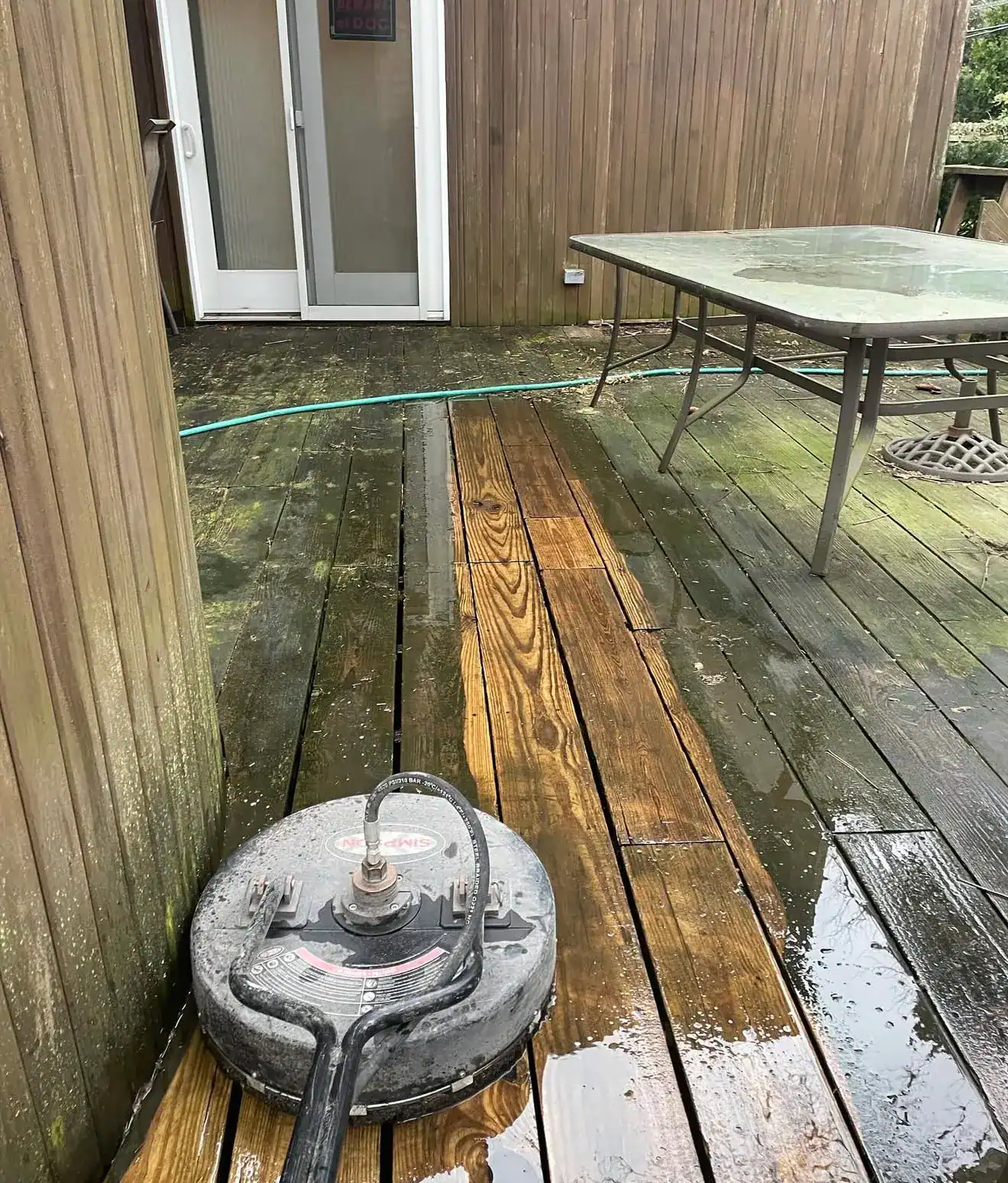
Your driveway takes a beating. Cars leak oil, tires track in dirt, and the porous nature of concrete means all of that sinks in and stains. Pressure washing with a surface cleaner attachment—a tool that looks like a floor buffer and distributes water evenly—removes those deep-set stains without leaving streaks or zebra stripes that a wand creates.
Concrete sidewalks and walkways face similar challenges. Add in moss or algae from shaded areas, and you’ve got a slipping hazard on top of an eyesore. Pressure washing eliminates both the safety concern and the unsightly growth. The high pressure reaches into the pores of the concrete where soft washing simply can’t get the same result.
Brick and stone patios, retaining walls, and hardscaping also respond well to pressure washing. These materials are dense and durable enough to handle the force. Mortar joints require some care—you don’t want to blast mortar out from between bricks—but a skilled technician knows how to clean effectively without causing damage.
Even certain types of decking can be pressure washed, though this requires experience and the right pressure setting. Hardwoods generally tolerate it better than softwoods like Southern yellow pine, which can splinter or get damaged under high pressure. This is where professional judgment matters. Someone who knows what they’re doing will test a small area first and adjust accordingly.
Metal surfaces like certain types of fencing or industrial equipment can also benefit from pressure washing, though again, technique matters. Too much pressure or the wrong angle can damage paint or coatings, so this isn’t a one-size-fits-all situation.
The common thread with all these surfaces is durability. They’re built to withstand force, weather, and wear. Pressure washing restores them without the risk of structural damage that comes with using high pressure on delicate materials.
Here’s where homeowners get into trouble: using pressure washing on surfaces that need soft washing, or vice versa. The consequences aren’t always immediate, which makes them even more dangerous. You might not see the damage until months later when a leak appears or siding starts to buckle.
Pressure washing a roof can strip away those protective granules we talked about earlier. It can also loosen shingles, break the seal between overlapping sections, and force water underneath where it causes rot and leaks. Some homeowners don’t realize they’ve voided their roof warranty until they file a claim and the manufacturer asks how the roof was cleaned.
On siding, high pressure creates tiny cracks that aren’t visible to the naked eye but allow moisture to seep in. It can also strip paint, damage caulking around windows and doors, and force water into electrical outlets or light fixtures mounted on exterior walls. The kickback from a pressure washer is strong enough to knock someone off balance, especially on a ladder—a scenario that’s led to serious injuries and even deaths.
Using soft washing on concrete or heavily soiled hard surfaces presents a different problem. You won’t get the same level of clean. The low pressure can’t reach the embedded dirt, and while the cleaning solution helps, it’s not designed for that type of buildup. You’ll end up with mediocre results and potentially need to clean again sooner.
The reality is that most homes need both methods. Your roof and siding need soft washing. Your driveway and walkways need pressure washing. We bring both capabilities and know which to use where. That’s the difference between a thorough, safe cleaning and one that causes problems down the road.
In Nassau County, where homes deal with salt air corrosion, seasonal pollen, and constant humidity, using the right method for each surface isn’t just about aesthetics. It’s about preventing premature deterioration and avoiding repairs that cost thousands more than the cleaning itself.
The choice between soft washing and pressure washing isn’t really a choice at all—it’s about understanding what each surface on your home actually needs. Your roof, siding, and painted surfaces require the gentle but effective approach of soft washing. Your driveway, walkways, and hard surfaces benefit from the deep-cleaning power of pressure washing.
Getting it wrong doesn’t just mean a less-than-perfect clean. It means potential damage that shortens the lifespan of expensive components of your home, voids warranties, and creates repair bills that dwarf what you would have spent on professional cleaning in the first place. The organisms growing on your home aren’t just unsightly—they’re actively breaking down your materials and creating conditions for rot, mold, and structural issues.
Working with a professional who brings both capabilities and knows how to match the method to the material gives you the results you want without the risks you don’t need. If you’re in Nassau County and want your home cleaned the right way, we have the experience, equipment, and accountability to get it done without causing damage you’ll regret later.
Summary:
Share: